

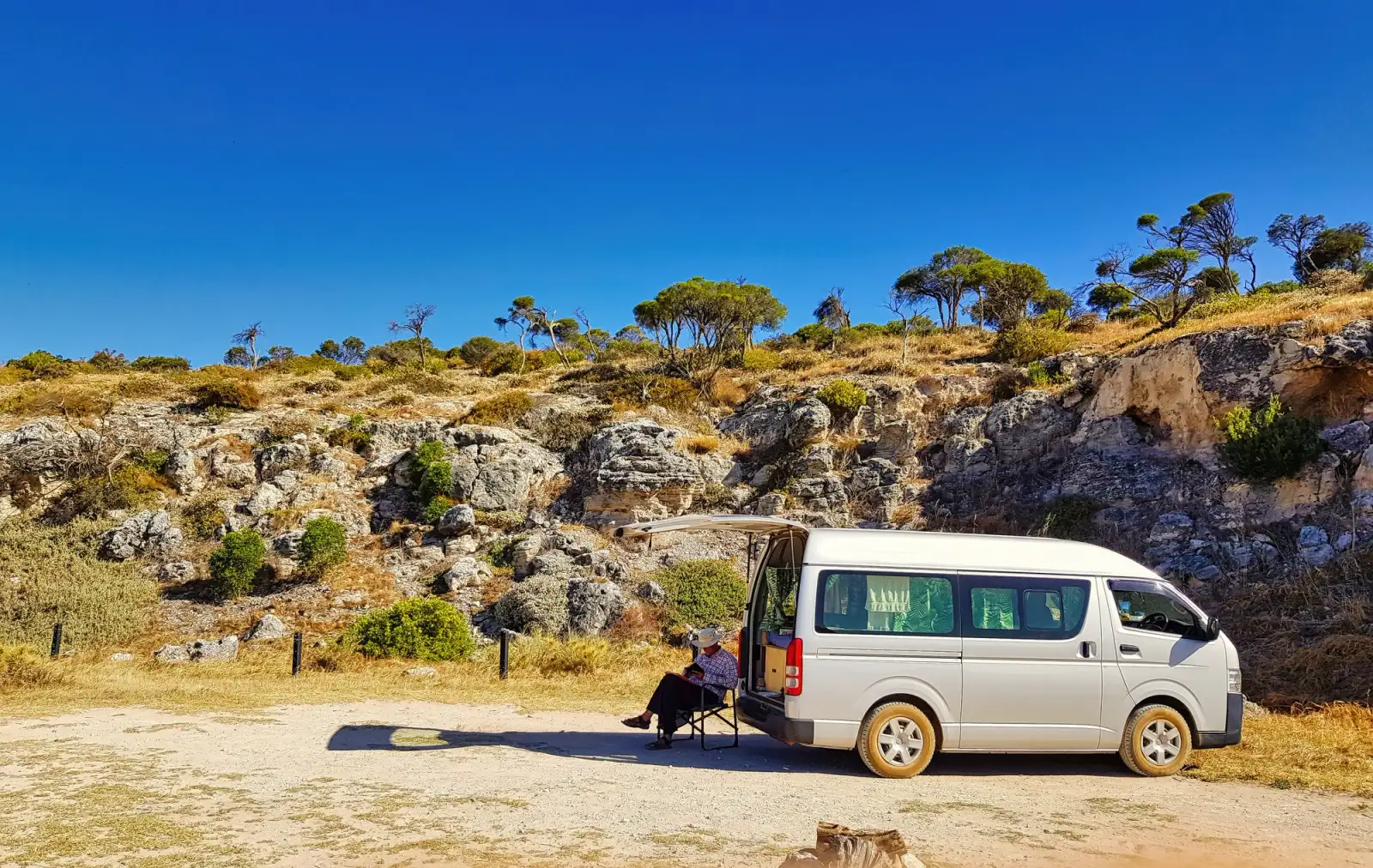
Starting Your Used Motorhome Journey
For many Australians, buying a used motorhome is the first step towards a flexible, freedom-filled lifestyle. Maybe you want to try RV life on weekends, plan the Big Lap or settle into the grey nomad way of life. A motorhome offers the comfort of home wherever the road leads.
Of course, everyone wants a new and shiny motorhome, but sometimes, that isn’t realistic. Buying a pre-owned RV is a smart way to enter the community without the higher cost of a brand-new vehicle, as long as you know what to look for.
At KT Insurance, we know a thing or two about Australia’s RV market and we hope this guide is a calm and practical companion for buying a used motorhome in Australia. Rather than rushing into a purchase, you’ll learn how to inspect the vehicle, review its history, understand the paperwork and approach this all with confidence. This upfront preparation will help you avoid costly surprises down the line and make that first foray into the RV world much more enjoyable.
Why Buy a Used Motorhome in Australia?
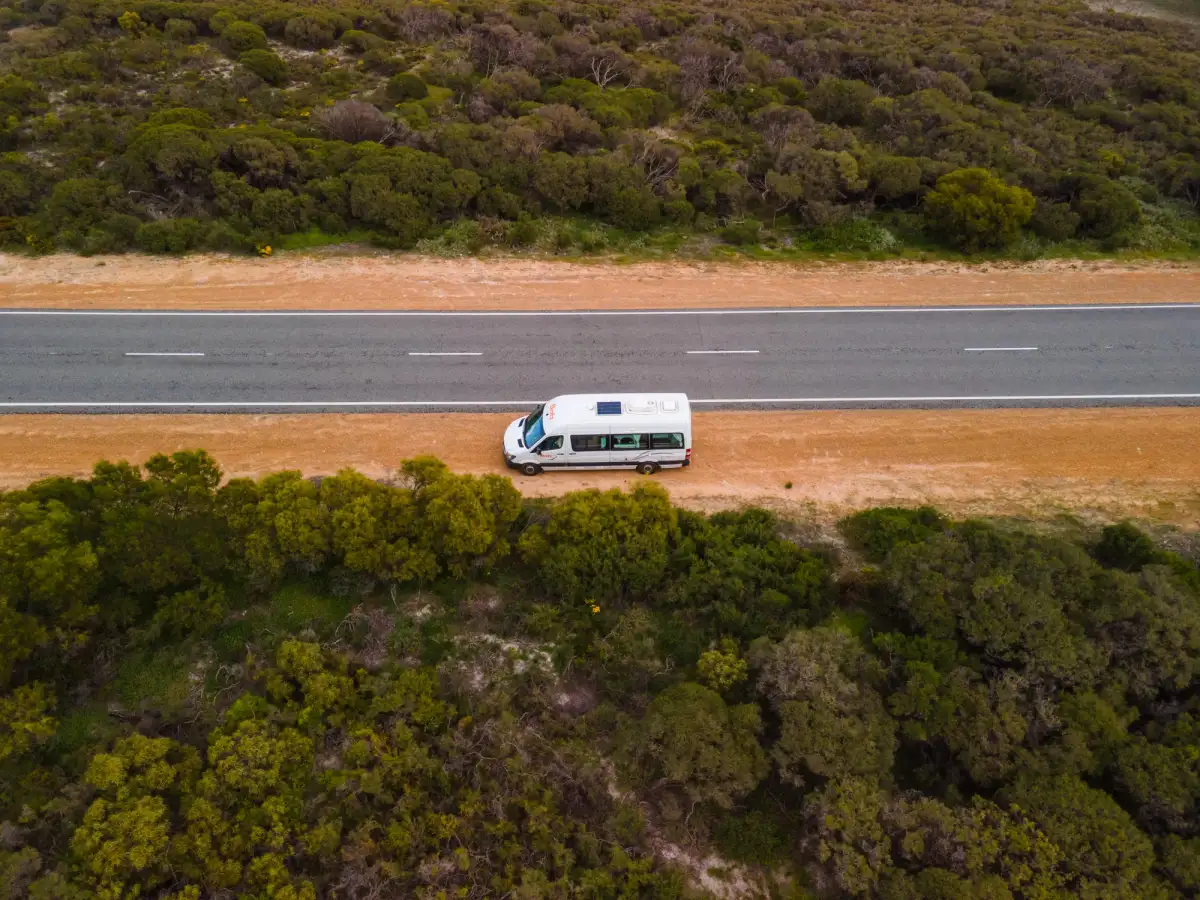
For many travellers, second-hand RV ownership is the most accessible way to join Australia’s thriving touring community. A used motorhome often delivers excellent value while still providing all the comforts needed for a nomadic lifestyle.
A major advantage of buying a used motorhome is that much of the initial depreciation has already occurred. This can make higher-quality models more affordable than their brand-new counterparts. Choosing a setup that matches your travel style is also important, so the wider array of vehicle sizes and layouts available in the pre-owned market is a big plus.
With many coming with proven upgrades, established maintenance records and real-world touring behind them, finding a reliable and suitable vehicle becomes much easier and more affordable. Because these models have been on the market for a while, you can read reviews and buy with fewer unknowns.
Start With the Service and Ownership History
When buying a used motorhome, paperwork should come before postcodes. Before falling in love with a floorplan or colour scheme, take time to review the vehicle’s history.
Ask the seller to provide:
- Full service history
- Vehicle logbooks
- Previous registration paperwork
- Habitation servicing records
- Records of upgrades, repairs or modifications
- Warranty documentation where available
Consistent servicing demonstrates that the motorhome has been cared for properly. Motorhomes without these records warrant closer inspection, but don’t automatically mean there’s a problem.
A well-documented ownership history can also help verify kilometre readings, maintenance schedules and significant repair work. Strong records create confidence at handover and provide valuable information for future servicing.
Your Used Motorhome Inspection Checklist
Inspection day is where confidence meets reality. This used RV checklist is designed to help you evaluate a motorhome thoroughly before you buy. Think of it as inspecting your future home away from home.
Exterior Checks: Body, Roof and Tyres
Body and structure
- Check panel seams for separation or cracking
- Look for dents, scratches or signs of poorly repaired damage
- Inspect for sidewall delamination or bubbling
Roof and seals
- Examine roof seals around hatches, vents and skylights
- Look for cracked sealant or evidence of previous leaks
- Check for water staining near roof joins
Tyres and wheels
- Check tyre age using the DOT manufacturing code. The last four digits show the week and year of manufacture, e.g. 4918 means the 49th week of 2018
- Inspect sidewalls for cracking or weathering
- Confirm even tyre wear across all tyres, including the spare
Natural weather event damage
- Look for hail dimples on roof and body panels
- Check for water staining around seals and openings
- Inspect exposed surfaces for storm-related wear
Small exterior issues can sometimes indicate larger structural problems underneath, so anything unusual deserves closer attention. To ensure you don’t miss anything, bring a torch and a pair of gloves, plus a notebook to keep track of anything you want to check with your mechanic.
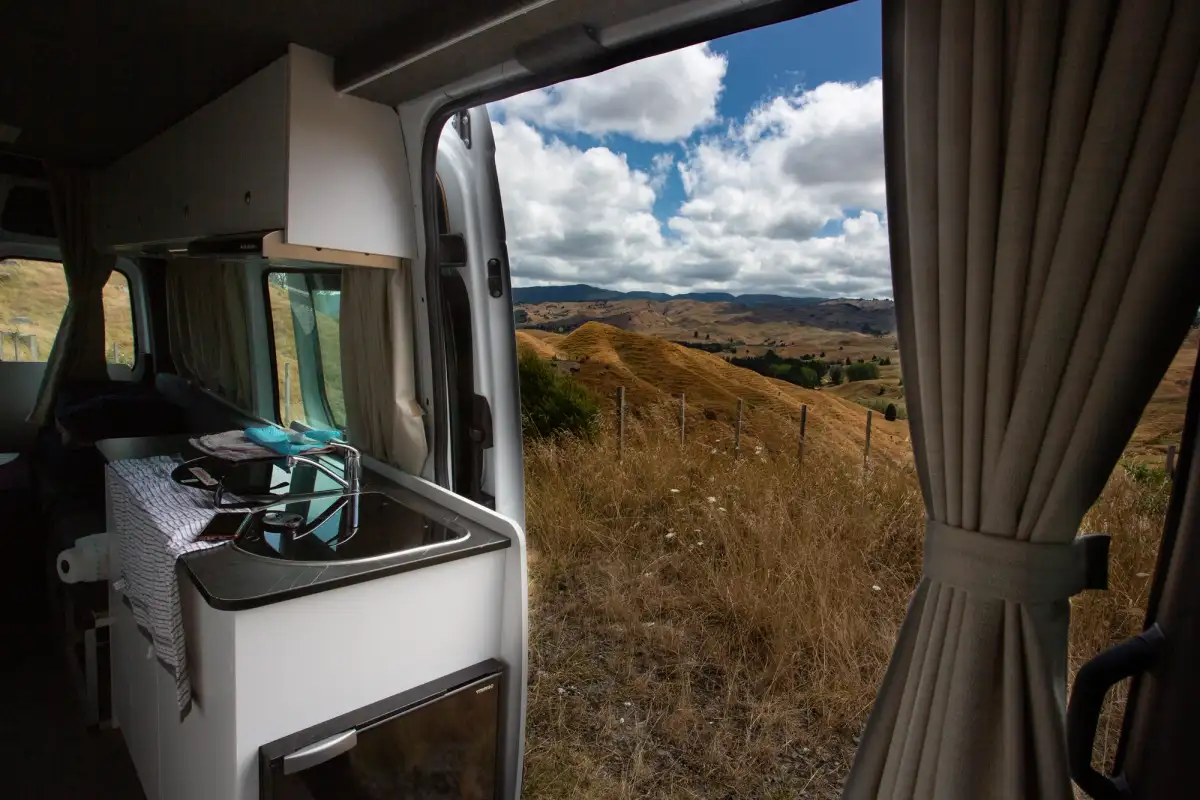
Interior Checks: Living Space and Appliances
i
Signs of water ingress
- Look for stained ceilings and walls
- Check for soft spots in flooring
- Investigate musty smells or mould growth
Test all appliances
- Refrigerator
- Stove and cooktop
- Hot water system
- Air conditioning
- House battery system
- Interior lighting
Storage and cabinetry
- Open every cupboard and locker
- Check hinges, latches and catches
- Look for hidden moisture behind stored items
Living areas
- Test seating and bedding mechanisms
- Inspect upholstery for excessive wear
- Confirm all windows and blinds operate correctly
A thorough interior inspection can reveal issues that may not be obvious during a quick walkthrough.
Test Drive and Mechanical Checks
The test drive is where paperwork meets reality, and one of the most valuable used motorhome buying tips is to spend enough time behind the wheel before making a decision.
During the drive, pay attention to:
- Brake performance and stopping distance
- Steering response and any pulling to one side
- Smooth gear changes
- Engine noise under acceleration
- Suspension performance over bumps
- Dashboard warning lights
Listen carefully for rattles, vibrations or unusual sounds that could indicate underlying mechanical issues.
For older motorhomes or those with higher kilometre readings, a pre-purchase inspection by a qualified mechanic is highly recommended. The cost is often small compared to the expense of discovering a major problem after purchase. Independent inspections give you peace of mind, and the report can even help you negotiate a better price or plan future maintenance.
Paperwork, Registration and Specialist Insurance
Once you've found the right motorhome, paperwork becomes the reassuring final step before adventure begins.
PPSR Checks and Registration Transfer
A Personal Property Securities Register (PPSR) check helps confirm whether the motorhome:
- Has money owing against it
- Has been reported stolen
- Has been written off or recorded as a repairable write-off
Before making payment, always verify that the VIN and engine numbers match the vehicle and all supporting documentation.
Registration transfer generally involves:
- Completing the transfer paperwork required by your state or territory
- Paying applicable transfer fees and duties
- Providing identification documents
- Obtaining a roadworthy or inspection certificate where required
Requirements vary between states, so check the relevant transport authority before completing the sale.
Arranging Specialist RV Insurance
A motorhome is more than just transport. It's your accommodation, your travel base and your home on wheels.
Specialist cover considers the unique needs of RV travellers rather than treating a motorhome like a standard vehicle.
Some policies also include valuable excess-free benefits that may suit the RV lifestyle.
For the smoothest possible handover, arrange comprehensive cover before collection day so you can drive away with confidence from the moment the keys are in your hand.
Hit the Road With Confidence
A careful inspection, complete paperwork review and professional mechanical assessment can make all the difference when buying a used motorhome in Australia. Taking the time to follow a reliable second-hand RV buying guide helps reduce surprises and gives you greater confidence in your purchase.
The rewards are worth it. From coastal escapes and country towns to remote outback adventures, Australia's roads are filled with experiences waiting to be discovered and a welcoming RV community ready to share them.
When you're ready to begin your journey, explore KT Insurance's specialist motorhome cover and enjoy the protection your home on wheels deserves before heading off on your next adventure.
Cover Built for Life on the Road
Over 30 years protecting Australian motorhome owners. Get your free quote or call us on 1300 261 261.