

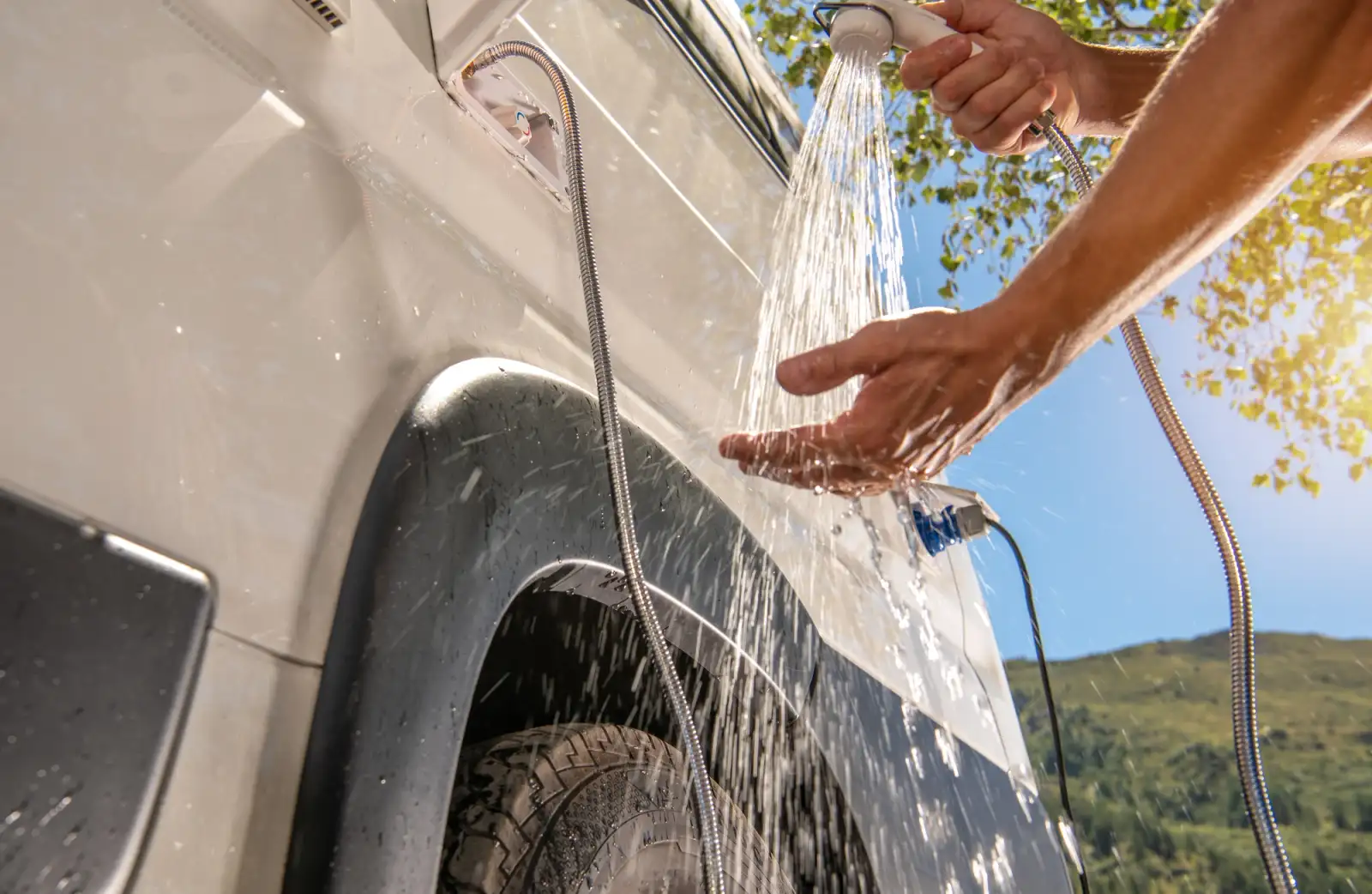
We often take running water on tap for granted. Yet being able to enjoy that same convenience while travelling Australia’s back roads is one of the great comforts of RV life. If you’ve ever wondered how it all works, this guide will have motorhome water systems explained in plain English.
Whether you’re travelling in a motorhome, caravan, campervan or camper trailer, most water systems share the same basic principles. Fresh water is stored onboard, delivered where it’s needed through a series of pumps and pipes, and then collected again once it’s been used.
Understanding the three key elements of fresh water storage, plumbing and waste management can help you travel with confidence, troubleshoot simple issues and make informed decisions when buying or maintaining your RV.
While this may all seem complex at first, it can be straightforward once you understand the basics.
Cover Built for Life on the Road
Over 30 years protecting Australian motorhome owners. Get your free quote or call us on 1300 261 261.
How Onboard Fresh Water Storage Works
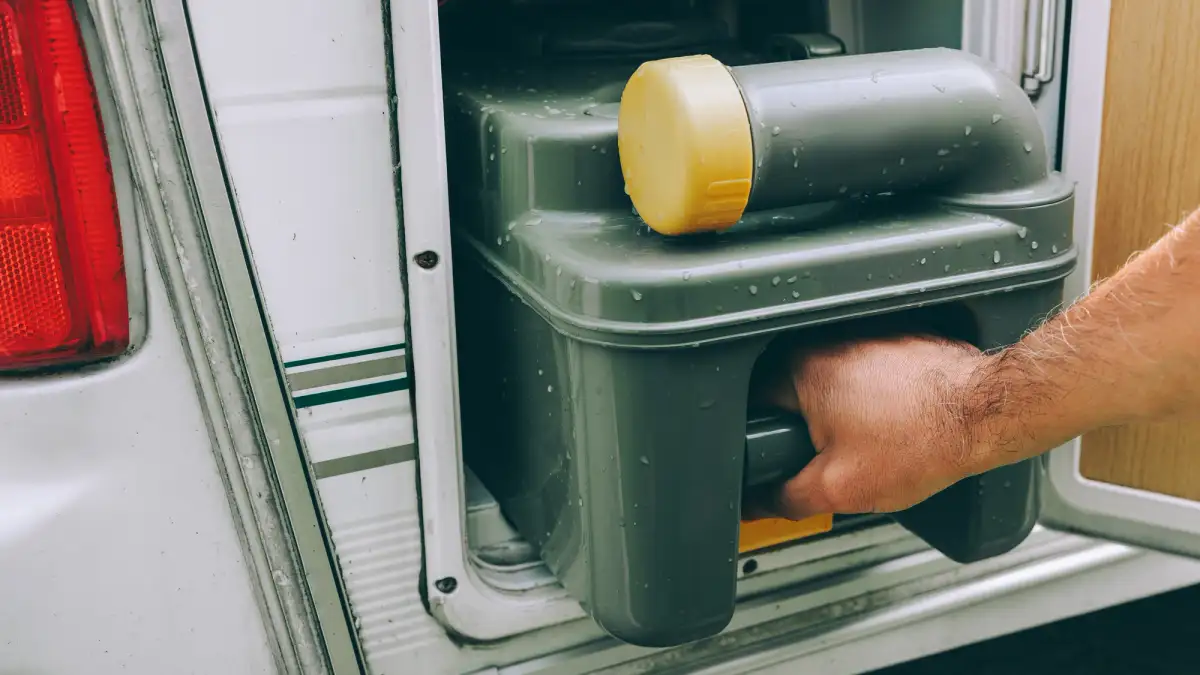
A water tank in a motorhome
Fresh water storage is the foundation of any RV water system. Whether it’s a compact campervan water tank or a larger caravan tank setup, the principle remains the same: carry clean water with you so you can wash, cook and shower while you’re away from the comfort of your home’s services.
Before you settle on a tank size, it’s important to understand the impact water has on your vehicle’s payload. Payload is the amount of weight your RV can legally carry after accounting for the vehicle itself. Because one litre of water weighs approximately one kilogram, a full 200-litre tank adds around 200kg to your total weight.
Water storage capacity varies across different RV types:
- Campervans often carry between 50L and 120L of fresh water
- Motorhomes commonly offer 100L to 300L or more
- Caravan water tank setups typically range from 80L to 200L
- A camper trailer water tank setup often carries between 40L and 120L, depending on design and intended use
Most tanks are filled through an external inlet, much like filling a fuel tank. Many modern RVs also include level gauges that show how much water remains. While this can feel intimidating if you’re new to RV travel, monitoring your water supply quickly becomes second nature and helps avoid surprises when camping off-grid.
The Plumbing In Between: Pumps, Pipes and Taps
Once water leaves the tank, it travels through a network of pumps, pipes and fittings before arriving at your kitchen sink, bathroom basin or shower. This network, commonly referred to as RV plumbing, is designed to provide reliable water pressure while remaining lightweight, efficient and easy to maintain.
For many first-time owners, the number of pipes and fittings can seem overwhelming. In reality, most RV plumbing systems follow a simple path: water leaves the tank, passes through a pump, flows through pipes, and arrives at the tap when required.
Pipes, Taps and Water Filtration
Modern RVs typically use flexible food-grade plastic piping. These pipes are lightweight, durable and resistant to vibration from travelling on rough roads.
Tap fittings vary between manufacturers, but most function like those found in a home. Some systems feature mixers that combine hot and cold water, while others have separate taps.
Water filtration is also an important consideration. Filters can help remove sediments, improve taste and reduce unwanted contaminants before water reaches your tap. This is particularly beneficial when filling from unfamiliar sources during longer trips.
Whether you own a large motorhome or a more compact camper trailer water tank setup, a quality filter can provide extra peace of mind when preparing food or drinking water.
Hot Water Systems in Your RV
One of the biggest comforts of modern RV travel is the ability to enjoy a hot shower after a long day on the road. A reliable hot water system can make your vehicle feel much more like a home away from home.Several hot water options are commonly found across RVs:
- Motorhome hot water system: often integrated into larger motorhomes and powered by gas, electricity or a combination of both
- Camper trailer hot water system: usually compact and designed for portability, commonly running on gas
- Electric storage systems that heat water while connected to mains power
- Instantaneous systems that heat water only when it’s needed, improving efficiency and reducing water wastage
The best option depends on your travel style, access to powered sites and how frequently you’ll use hot water while travelling.
Grey Water and Waste: Where Used Water Goes
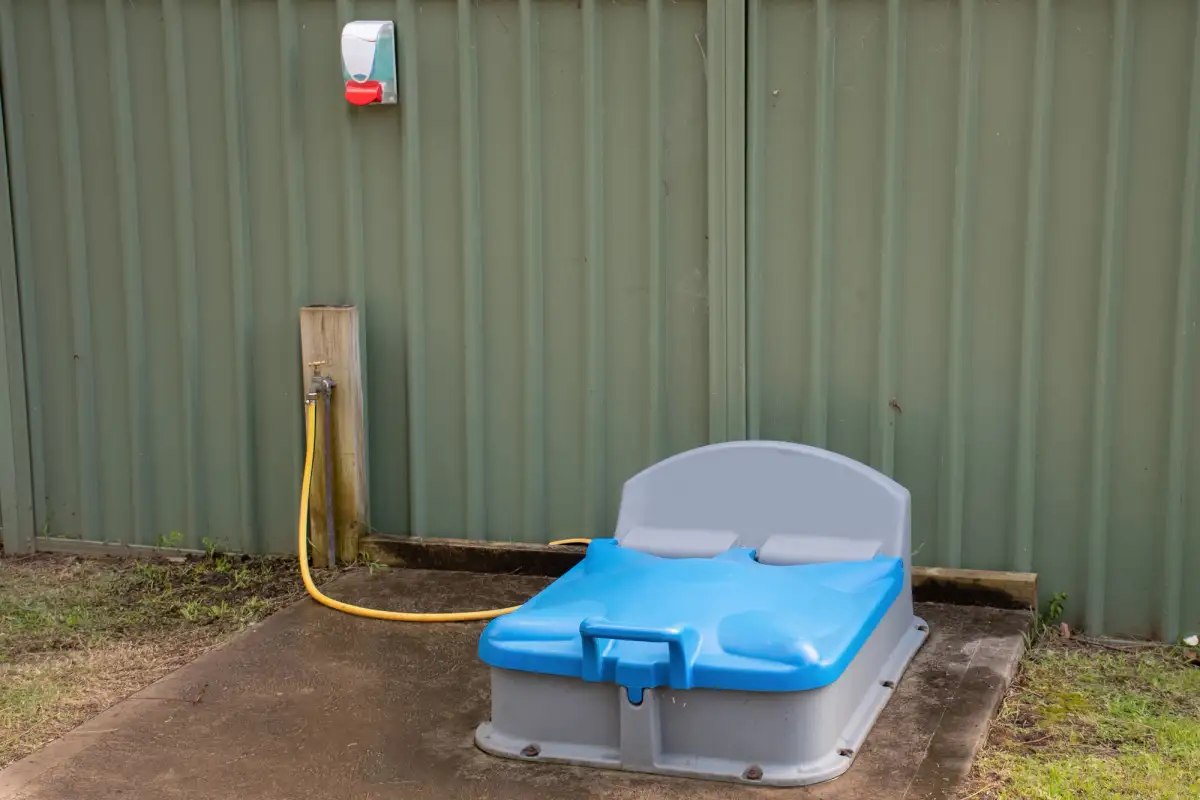
A dump point at a holiday park
Not all water leaves your RV through the tap. Once used, it needs to be collected and disposed of responsibly.
Grey water refers to wastewater from sinks, showers and hand basins. It differs from black water, which contains waste from toilets and requires separate handling.
Within most RV plumbing systems, grey water is directed into a dedicated holding tank. When the tank is full, the contents can be emptied at approved dump points or waste disposal destinations.
Keeping Your Water System Healthy
A little maintenance goes a long way when it comes to keeping your water safe and your adventures running smoothly. Regular checks can help prevent issues before they become costly repairs.
Cleaning and Sanitising Your Water Tank
To sanitise a campervan water tank, start by draining old water and flushing the system with clean water. Many manufacturers recommend periodically using an approved tank sanitiser to eliminate bacteria and odours.
It’s also worth checking filters and inspecting hoses for signs of wear throughout the year.
For a typical motorhome or caravan water tank setup, many owners perform a thorough clean and inspection every few months, particularly before extended trips.
Preventing Common Water System Problems
Keep an eye out for these common warning signs:
- Pump running continuously when taps are closed
- Reduced water pressure
- Water leaks around fittings or connections
- Unusual noises from pumps
- Inconsistent hot water temperature
- Slow heating from a motorhome hot water system
Many issues can be resolved by tightening fittings, replacing filters or clearing air from the system. However, persistent leaks, pump failures or problems with a caravan water tank setup should be inspected by a qualified RV technician.
Travel With Confidence: Protecting Your Home on Wheels
Understanding how RV plumbing works can make travelling less stressful and far more enjoyable. From fresh water storage and pumps to hot water systems and waste management, a little knowledge goes a long way toward keeping your adventures comfortable and trouble-free.
Whether you're touring in a camper trailer, caravan or motorhome, your RV is more than just a vehicle. It's your base camp, your holiday home and, for many travellers, a gateway to seeing more of Australia.
By maintaining your water systems properly and addressing small issues before they become major problems, you'll be better prepared for whatever the road brings.
And because your home on wheels is worth protecting, specialist motorhome insurance from KT Insurance can help provide added peace of mind wherever your next adventure takes you.
Cover Built for Life on the Road
Over 30 years protecting Australian motorhome owners. Get your free quote or call us on 1300 261 261.