

Why the Right Safety Gear Matters on the Road
Believe it or not, there's more to a successful life on the road than buying a motorhome, packing it up and putting rubber to asphalt. In an ideal world, that's exactly how it works, but in the real world, there are a number of factors that need to be monitored and managed to ensure your travels are as close to that ideal as possible. A motorhome battery monitor, for example, can help you keep tabs on your power usage and avoid nasty surprises when you're camped off-grid.
When you buy an RV, you don't need to do much to it. That's the point. It comes with just about everything. There are, however, a few pieces of safety gear that can provide real peace of mind on the road. Equipment like a motorhome battery monitor and a tyre pressure monitoring system (TPMS) are handy additions and, most of the time, quietly go about their business in the background. The most useful safety gear is often the gear you rarely think about, helping you spot small problems before they become costly repairs, roadside breakdowns or a disrupted holiday.
Cover Built for Life on the Road
Over 30 years protecting Australian motorhome owners. Get your free quote or call us on 1300 261 261.
Motorhome Battery Monitors: Powering Your Home on Wheels
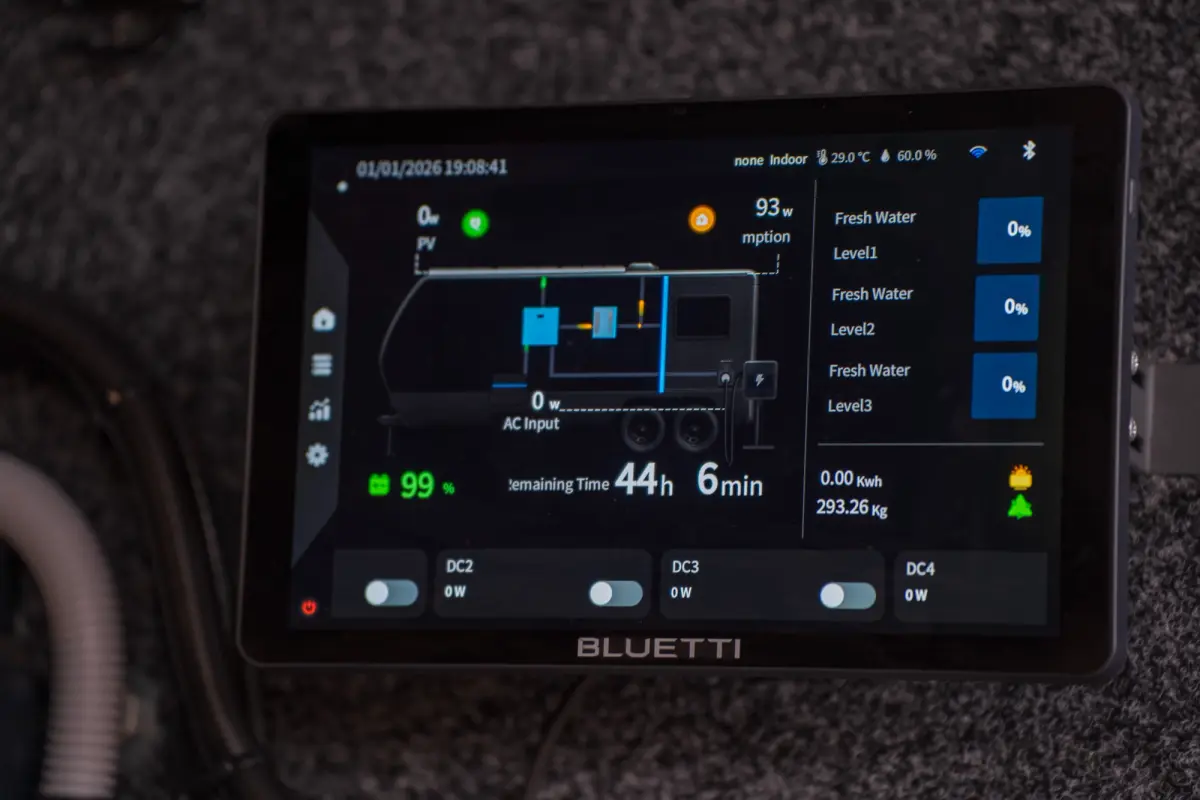
A caravan monitoring system displaying an array of figures
A motorhome battery monitor is a handy addition to modern RVs, especially given the comfort and convenience reliable power brings. These small units track voltage, current flow and state of charge (SoC) to show how much power remains in your battery bank, allowing you to better manage when and how you use your reserves.
Modern motorhomes and caravans also benefit from a battery monitor due to how complex they have become. With multiple charging sources and a mix of 12V and mains-powered appliances, some would argue it's become an essential piece of equipment rather than an optional extra.
With a solid system in place, you can travel knowing you're less likely to lose the comforts that make motorhome and caravan travel so enjoyable. Appliances, entertainment systems, lighting and even essential equipment rely on battery power, so understanding how your system is performing can help prevent unexpected disruptions. After all, your motorhome is a home away from home, and reliable power plays a major role in keeping it that way.
Tyre Pressure Monitoring Systems and Keeping Tyres Road-Ready
Close up of a tyre
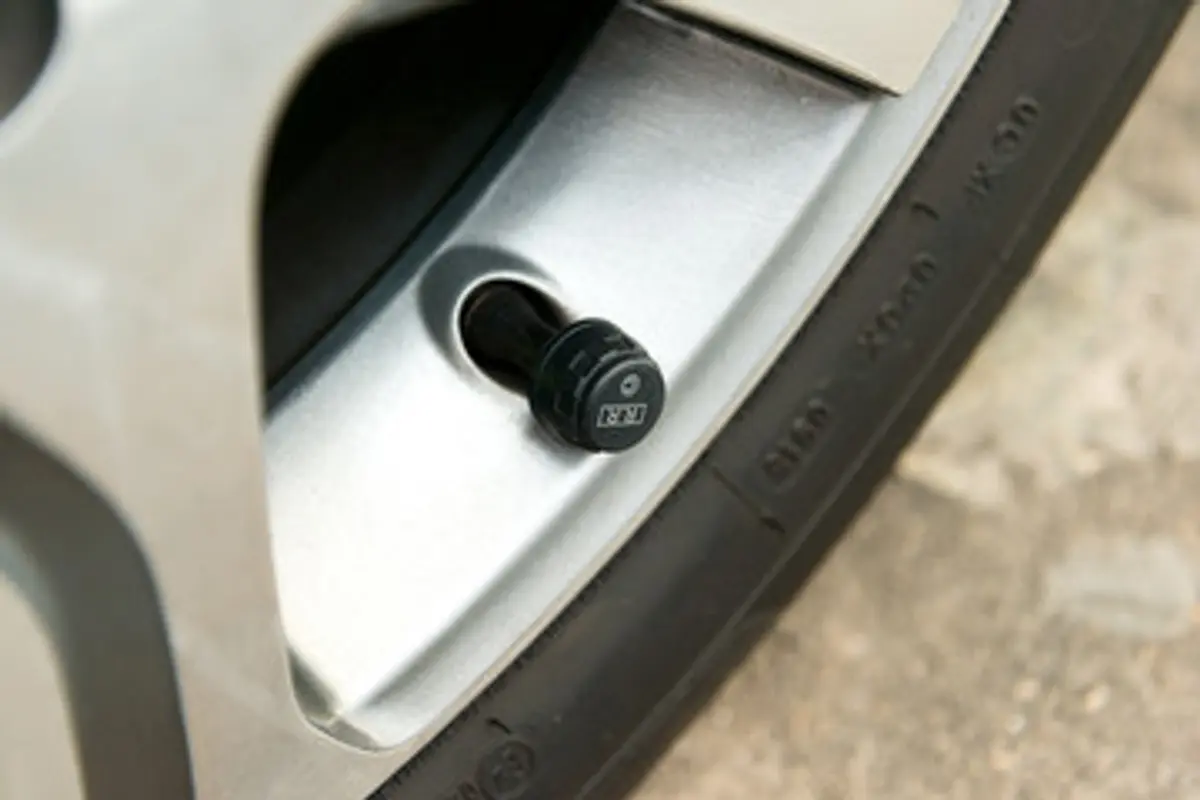
A motorhome tyre pressure monitoring system (TPMS) alerts travellers to changes in tyre pressure and temperature, helping identify potential issues before they become serious problems. Many new vehicles now come fitted with a TPMS from the factory. They use a set of sensors, usually fitted inside the tyres or attached to the valve stems, to send pressure and temperature readings to a display in the cab or a mobile app.
They're an early warning system designed to alert drivers to a slow leak, overheating tyre or puncture before a tyre lets go at highway speeds. There are internal and external sensor options available, but both serve the same purpose: keeping you informed about what's happening with your tyres while you travel.
For many motorhome owners, especially those tackling long-distance journeys, that extra visibility provides valuable peace of mind. Rather than wondering whether everything is functioning as it should, you can travel with confidence knowing you'll receive an alert if something changes. It's one less thing to worry about after a day on the road or when navigating rough terrain.
What to Look for in a TPMS
When comparing the top TPMS options for motorhome travel, consider:
- Sensors that provide accurate readings and are easy to install or replace.
- A clear, easy-to-read display that can be checked at a glance.
- Real-time alerts for pressure loss, overheating or rapid changes.
A quality TPMS is a popular choice for travellers who value that extra knowledge on their vehicle’s condition, but it's not a compulsory addition to every setup.
Keeping Tyres at the Right Pressure
For most travellers, tyre pressures will remain at highway-friendly levels, but when those pressures drop, or have been adjusted for driving on soft sand or other terrain, having a way to top them back up can be handy. An air compressor for motorhome or caravan tyres makes it easy to do just that.
Maintaining the correct tyre pressure can improve handling, fuel efficiency and tyre life, while also reducing the chances of a puncture or blowout.
While air compressors are available at many service stations, having one of your own is particularly useful when travelling through regional or remote areas. As with many aspects of RV travel, you'll often find fellow travellers willing to lend a hand roadside, but having your own compressor means you're better prepared to handle the situation yourself and get back to enjoying the journey.
Fire Extinguishers for Your Motorhome
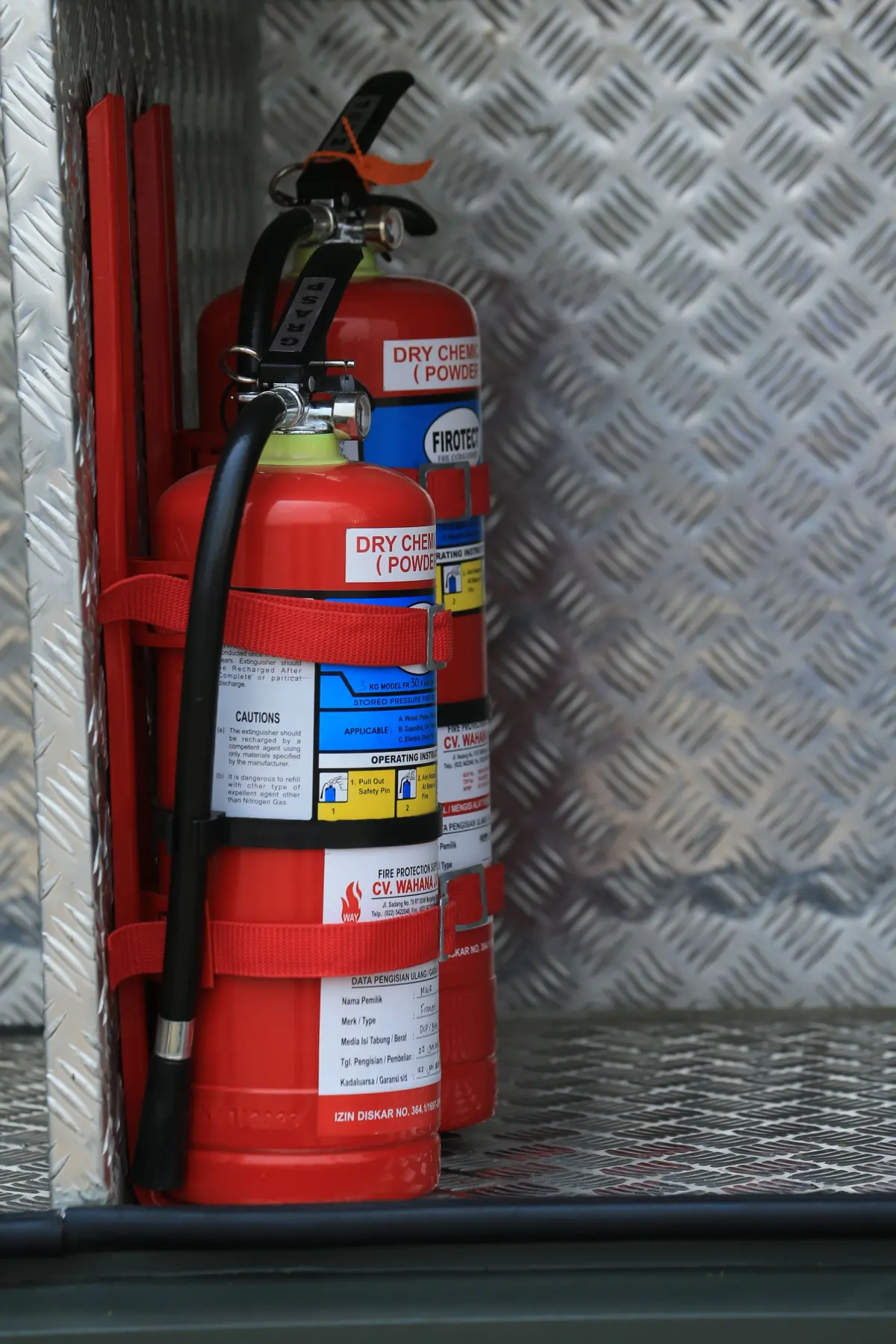
2 fire extinguishers in a metal compartment on a vehicle
A motorhome fire extinguisher is one piece of safety equipment you hope never to use, but you'll be glad it's there if the unexpected happens. For many travellers, it's a simple addition that provides extra comfort on the road. There are plenty of options available, and finding the right fire extinguisher for motorhome travel comes down to understanding the types of fires you're most likely to encounter and choosing an extinguisher that suits your setup.
They're not a monitoring system like a battery monitor or TPMS. Instead, they're a reactive safety measure. In a caravan or motorhome, a fire extinguisher can be the difference between a burnt curtain and a total loss claim, which is why good safety gear and the right caravan insurance in Australia go hand in hand.
Choosing the Right Size and Type
A small fire extinguisher for motorhome use is often enough for dealing with minor incidents while remaining easy to store and access quickly.
| Extinguisher Type | Typical Size | Best Suited For |
|---|---|---|
| ABE Dry Powder | 1kg-2kg | Class A, B and E fires including flammable liquids and electrical equipment |
| Solid-State Aerosol | Compact handheld units | Electrical fires and lithium battery installations not experiencing thermal runaway |
| Clean Agent Gas | 1kg-2kg | Electronics, appliances and areas where residue-free cleanup is preferred |
| Water mist | 1L-2L | Multiple fire types, cooling capability and minimal collateral damage |
For ordinary combustibles like wood and upholstery (Class A), flammable liquids (Class B) and electrical fires (Class E), an ABE dry powder unit remains a popular option. Solid-state aerosol extinguishers interrupt a fire's chemical chain reaction and can be particularly useful around modern lithium battery systems. Clean agent extinguishers offer similar protection without the powder residue, making them well suited to RVs with fridges, chargers and other electronics. A water mist fire extinguisher for motorhome use is another option, tackling multiple fire types while cooling the area and causing minimal collateral damage.
Fire blankets also remain a worthwhile addition, and having more than one fire-suppression option available in your home on wheels can provide extra confidence should the worst occur.
Where to Mount and Store It
Ideally, extinguishers should be mounted where they can be reached quickly:
- Near the kitchen or cooking area.
- Close to the main entry or exit door.
- Within easy reach of sleeping areas.
- In a secure mounting bracket to prevent movement while travelling.
Whichever type you choose, make sure it's easily accessible and check the pressure gauge regularly to ensure it's ready for use. Like many aspects of RV travel, safety is a shared responsibility, and a well-prepared campsite helps create a safer environment for everyone.
Travel With Confidence: Gear Plus the Right Cover
The right safety gear can go a long way towards making life on the road more enjoyable. A motorhome battery monitor helps keep your power system in check, a TPMS provides early warning of tyre issues, and a fire extinguisher gives you a way to respond should the unexpected occur. Together, they can provide valuable assurances whether you're planning a weekend escape or setting off on the big lap.
Of course, even thorough preparation can't prevent every mishap. That's why many travellers choose comprehensive RV insurance as another layer of protection. Rather than replacing good safety practices, specialist cover works alongside them, helping you stay protected when circumstances are outside your control.
After all, the goal of any RV adventure is to spend less time worrying and more time enjoying the journey. If you're looking for added confidence on the road, explore KT Insurance's specialist motorhome insurance options and find a policy that suits the way you travel. Safe travels, and we'll see you out there.
Cover Built for Life on the Road
Over 30 years protecting Australian motorhome owners. Get your free quote or call us on 1300 261 261.