

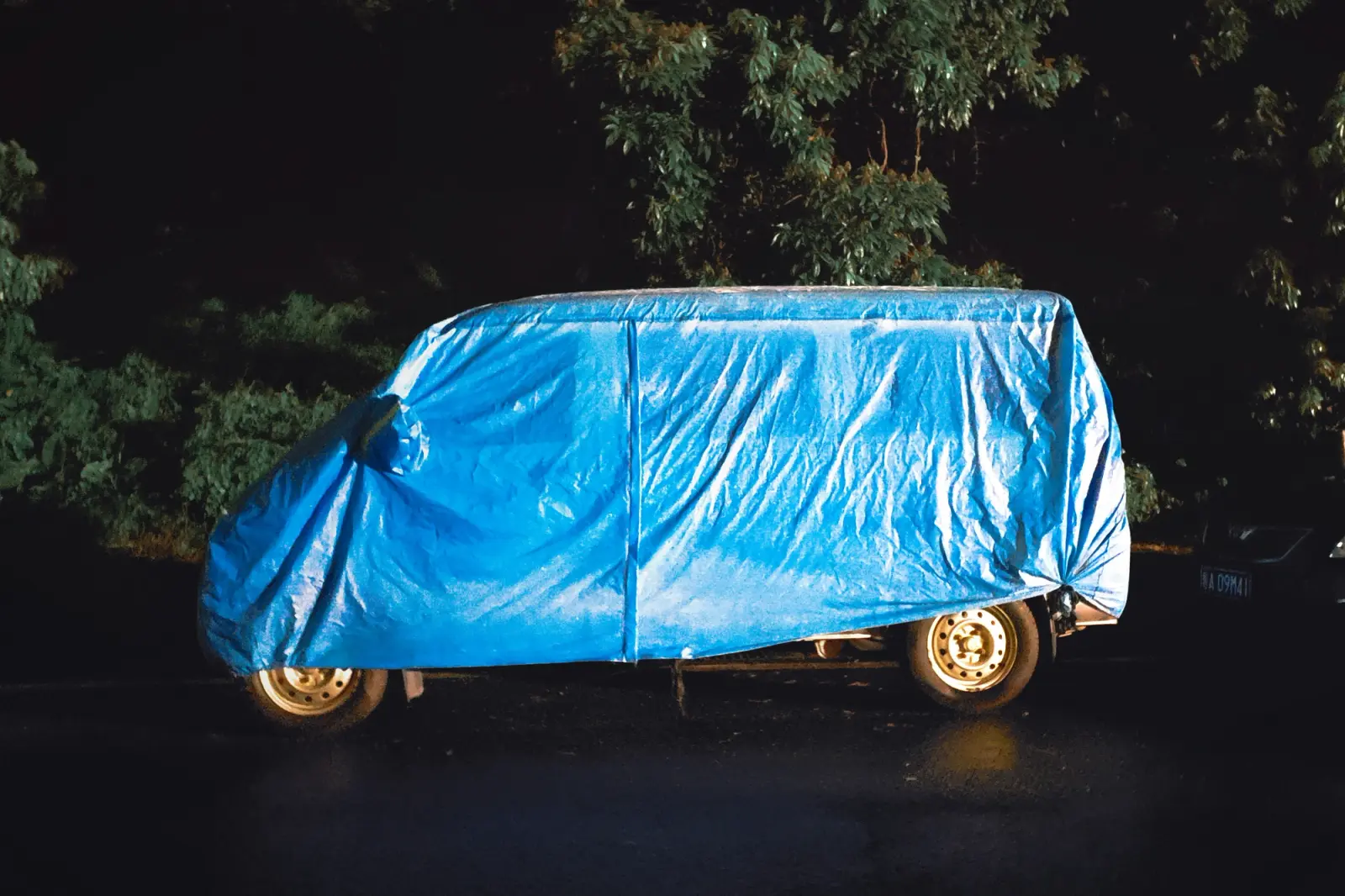
Are motorhome covers worth it? For many, finding an undercover parking spot for their motorhome means paying for it on a monthly basis or constructing their own. Ideally, no one wants to leave their home on wheels exposed to Aussie conditions for too long, especially when it’s not in use. Our unpredictable weather can mean strong UV rays beaming down on your motorhome in the morning and hailstones the size of tennis balls battering it by the afternoon.
So, paying a little extra for protection against these elements seems warranted. But where do you start? If you don’t want to have your motorhome away from home in storage and don’t plan on building a shed to accommodate it, then a cover could be a practical alternative.
Here’s what to look for in a motorhome cover, what it can protect against and how to best use one.
Cover Built for Life on the Road
Over 30 years protecting Australian motorhome owners. Get your free quote or call us on 1300 261 261.
What Motorhome Covers Protect Against
If you were to park a motorhome in your driveway or on the street, motorhome covers can provide protection against everyday threats like hail and UV damage, moisture and general storage wear. Sun, rain, falling debris and dust are all on the cards when your motorhome is left exposed. By having your motorhome covered, you can reduce the risk of damage from:
- Ultraviolet (UV) rays: A cover can block exposure to the sun, which can otherwise fade exterior paint, decals, rubber seals and interior furnishings.
- Weather and precipitation: Provides a barrier against rain, frost and some hail exposure, and is a simple first step in preparing your RV for severe weather.
- Organic debris: Helps prevent bird and bat droppings, tree sap and falling leaves from staining or damaging the roof and bodywork.
- Environmental pollutants and dust: Keeps smog, road grime and general dust from baking onto the surface.
- Moisture and mildew: A quality, breathable cover can allow trapped condensation to escape, reducing the risk of mould and mildew.
- Surface scratches: A cover provides a physical barrier against light abrasions from wind-blown twigs and other minor contact.
Types of Motorhome Covers Explained
There are three motorhome cover classes: A, B and C. Each is designed to fit a distinct shape and style of motorhome. Choosing the right one is about more than just a better fit. The right cover class provides more effective protection against the wear and tear of outdoor storage.
Class A, Class B and Class C Motorhome Covers
While they all serve the same purpose, Class A, Class B and Class C motorhome covers are designed around very different vehicle shapes.
Class A motorhomes are typically the largest, requiring longer and taller covers with a broader fit. Think large, bus- or coach-style motorhomes with a flat, vertical front windshield. Class B covers suit converted vans with a more streamlined profile, like Mercedes-Benz Sprinters and Ford Transits. Class C covers are designed around motorhomes with over-cab sleeping areas or storage alcoves, and this is where class A and class C covers differ most in shape.
Matching your motorhome to the right class matters. A properly fitted cover is less likely to flap in the wind, which will help to protect against UV damage, moisture intrusion and debris, while offering better overall coverage.
Caravan and Motorhome Covers Compared
Although they may appear similar, caravan and motorhome covers are designed for different vehicle types. When choosing between them, consider:
- Vehicle shape and roof profile
- Access panels, doors and windows
- Cover height and overall length
- Elastic hems and tie-down systems
- Breathability and moisture control
A motorhome cover is designed to suit the body shape and features of a self-propelled RV, while caravan covers are made to fit towable recreational vehicles. Choosing the correct style helps ensure a close fit and reliable protection.
Beyond the Full Cover: Windscreen, Vent and Mirror Covers
A full motorhome cover will do the heavy lifting in most scenarios and if you wanted to stop there, that would be perfectly reasonable. There are, however, additional measures you can take to protect your home on wheels’ most vulnerable parts.
Thermal and external windscreen covers are among the most popular options for protecting the cabin. Not only do they help protect glass and seals from harsh UV rays, but they can also help to regulate cabin temperatures when your motorhome is parked. Wing mirror covers are another addition worth considering, protecting the exposed mirrors from damage while in storage.
Windscreen and Wing Mirror Covers
Thermal and external windscreen covers help shield large glass surfaces from UV exposure, weathering and, in some cases, minor hail impacts, which can reduce the likelihood of needing a motorhome windscreen replacement. By reducing direct sunlight, they can also help keep the cabin cooler during warmer months. Wing mirror covers provide protection against fading, dirt build-up and everyday exposure to the elements.
Fridge Vent and Component Covers
Fridge vent covers are designed to protect external airflow openings from debris, insects and adverse weather while your motorhome is parked. Other component-specific covers, including covers for air conditioners, wheel assemblies and service connections, can help extend the life of exterior fittings by reducing exposure to the elements.
Combine these smaller covers with a quality full-cover solution and your motorhome will have adequate protection, ensuring it’s in good condition for your next adventure.
Choosing the Right Cover for Your Motorhome
While the classes we mentioned earlier are a good starting point, getting the right cover comes down to the specific measurements and features of your vehicle. Measure the height, width and length, and note any unusual shapes, to help choose a suitable cover.
The quality of a motorhome cover will also dictate the price, but a breathable fabric that still guards against UV and hail will suit most situations. This means any moisture won’t become trapped underneath and encourage the growth of mould and mildew.
Covers and Cover: Protecting the Lifestyle You Love
The tangible protection a motorhome cover provides shouldn’t be solely relied upon. A motorhome is an asset that deserves to be protected both when in storage and when on the road, and that’s where specialist motorhome insurance comes in.
While a quality motorhome cover can help guard your home on wheels against hail and UV damage between adventures, insurance provides another layer of protection for the things a physical cover simply can’t prevent. A comprehensive KT Insurance policy can provide cover for events such as hail and impact damage, as well as theft, subject to the terms, conditions and exclusions of your policy.
After all, your motorhome isn’t just another vehicle. It’s your home away from home and a big part of the lifestyle you’ve worked hard to enjoy.
So whether it’s parked up between trips or heading off on your next adventure, give it the protection it deserves. Speak to the KT Insurance team about specialist motorhome cover.
Cover Built for Life on the Road
Over 30 years protecting Australian motorhome owners. Get your free quote or call us on 1300 261 261.