

Getting the Freedom of the Road Right
You could handily argue Australia’s position as one of the best places in the world to own a campervan. From the red dirt tracks of the Outback to the winding drives and coastal views of the Great Ocean Road, there’s no shortage of places to explore. But before you point the bonnet towards your next adventure, it pays to understand campervan parking rules Australian travellers need to follow.
With all that open space, it might seem like you can pull up and park wherever you please. In reality, knowing where you can legally leave your campervan can sometimes be more complicated than expected. Rules can vary between states, councils and even individual parking areas, catching travellers off guard if they’re not prepared.
Cover Built for Life on the Road
Over 30 years protecting Australian motorhome owners. Get your free quote or call us on 1300 261 261.
The good news is that once you know what to look for, navigating parking regulations becomes much simpler. Whether you're planning a weekend getaway or a lap around the country, understanding the basics will help you avoid fines, respect local communities and enjoy your travels with confidence. After all, the freedom of the road is best enjoyed when you know you're parked in the right place and not chancing a ticket tucked under your windscreen wiper.
Can You Park a Campervan Anywhere in Australia?
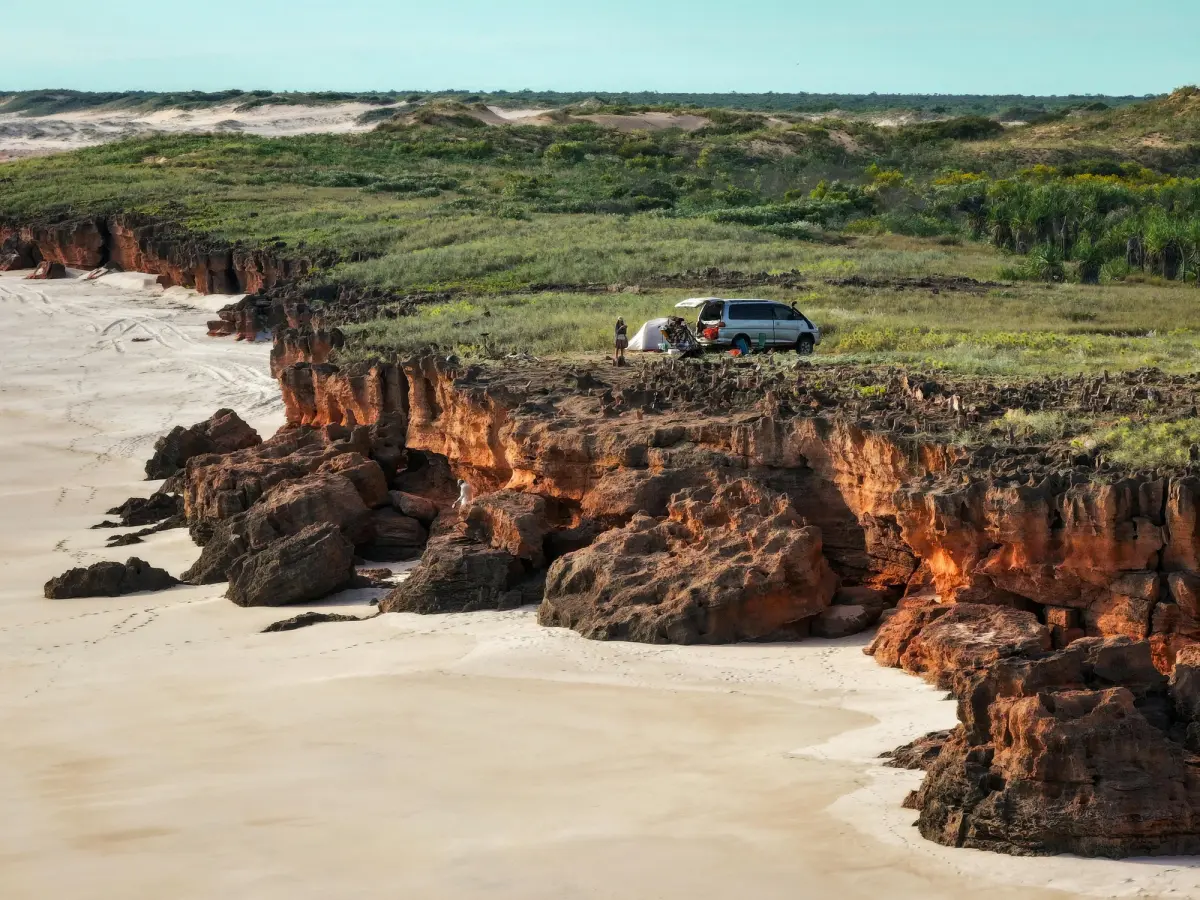
A campervan parked on a cliff overlooking a beach in Australia
The campervan parking rules Australian travellers need to know are actually quite simple. No, you cannot park your campervan anywhere you like. Campervans must follow the same road rules, parking restrictions and local regulations as any other vehicle, along with some additional rules that may apply because of their size or intended use.
While that may sound restrictive, it’s good news for travellers. Clear parking rules help keep roads safe and make it easier to plan your travels with confidence. Once you understand where overnight stays are permitted and how to read local signage, finding a suitable place to stop becomes much more straightforward.
This guide covers how to read parking signs, where you can legally park a campervan overnight, how regulations differ around Australia, and what to consider when storing your RV at home between adventures.
Understanding Parking Signs and Zones
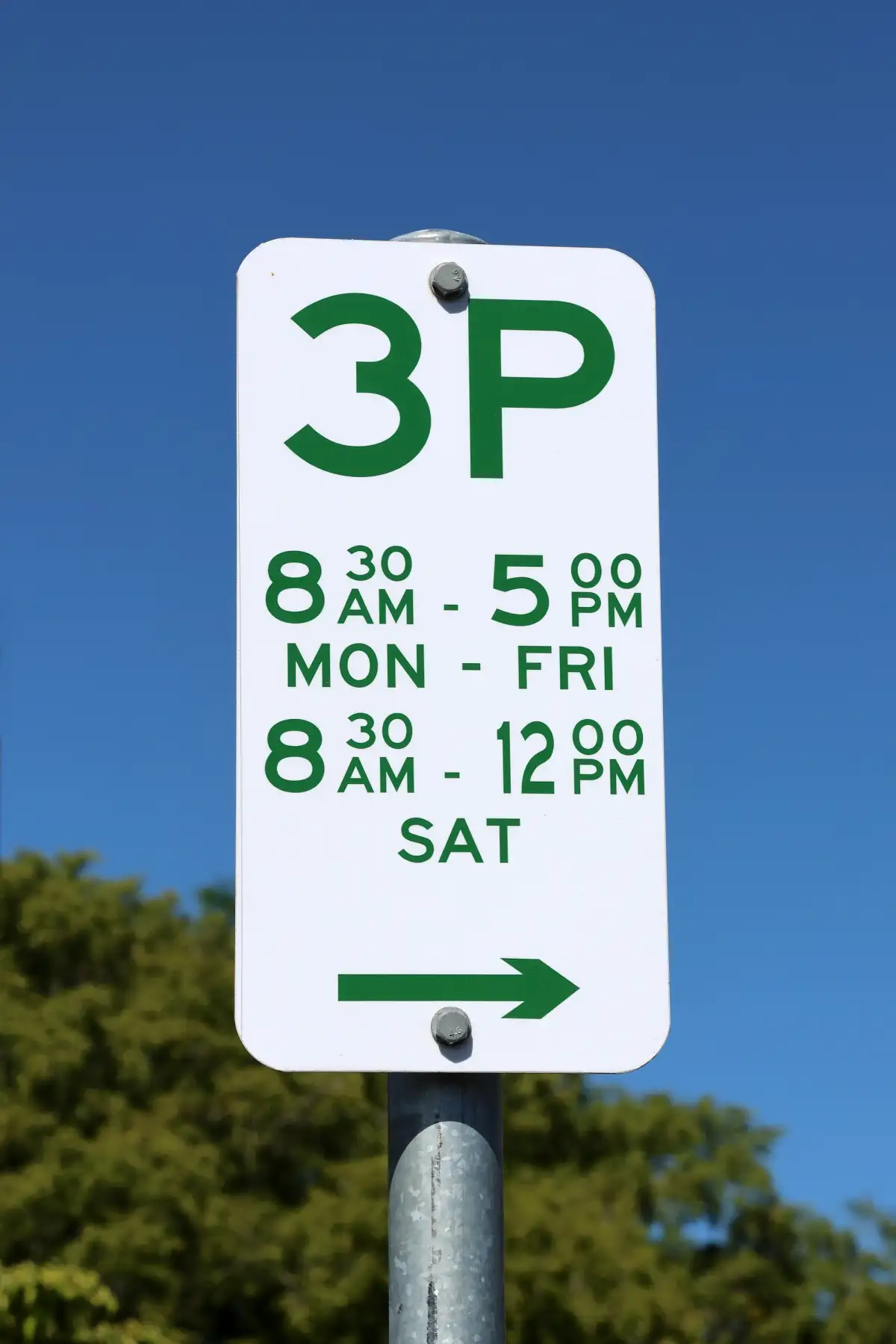
A parking sign in Australia
Understanding parking signs is one of the simplest ways to avoid fines and enjoy a stress-free trip. Whether you're looking for campervan parking in a coastal town or motorhome parking near a city centre, taking a moment to check the signs can help you stay compliant and avoid an unexpected penalty.
Some of the most common parking signs you'll encounter include:
- No Parking: You can stop briefly to pick up or drop off passengers or goods, but you can't leave your vehicle unattended.
- Clearway: Stopping is prohibited during the times shown on the sign, and vehicles may be fined or towed.
- Permit Zone: Parking is restricted to vehicles displaying the required permit.
- Height Limit: Often found in car parks, these signs indicate the maximum vehicle height allowed, making them especially important for motorhome parking and larger campervans.
Before settling into a campervan parking spot, always check nearby signs carefully and make sure the conditions suit your vehicle.
Where Can You Park a Campervan Overnight?
Parking rules for RVs vary across Australia, with local councils often setting their own restrictions. Before settling in for the night, check local signage and regulations, as rules around overnight stays, camping and vehicle occupancy can differ between locations. Fortunately, there are several legal options available for campervan parking and motorhome parking.
Holiday Parks and Caravan Parks
Holiday parks and caravan parks are among the most reliable overnight accommodation options for RV travellers. Many offer powered sites, amenities, laundry facilities and access to water, making them a convenient choice for longer stays.
Free Camping Areas
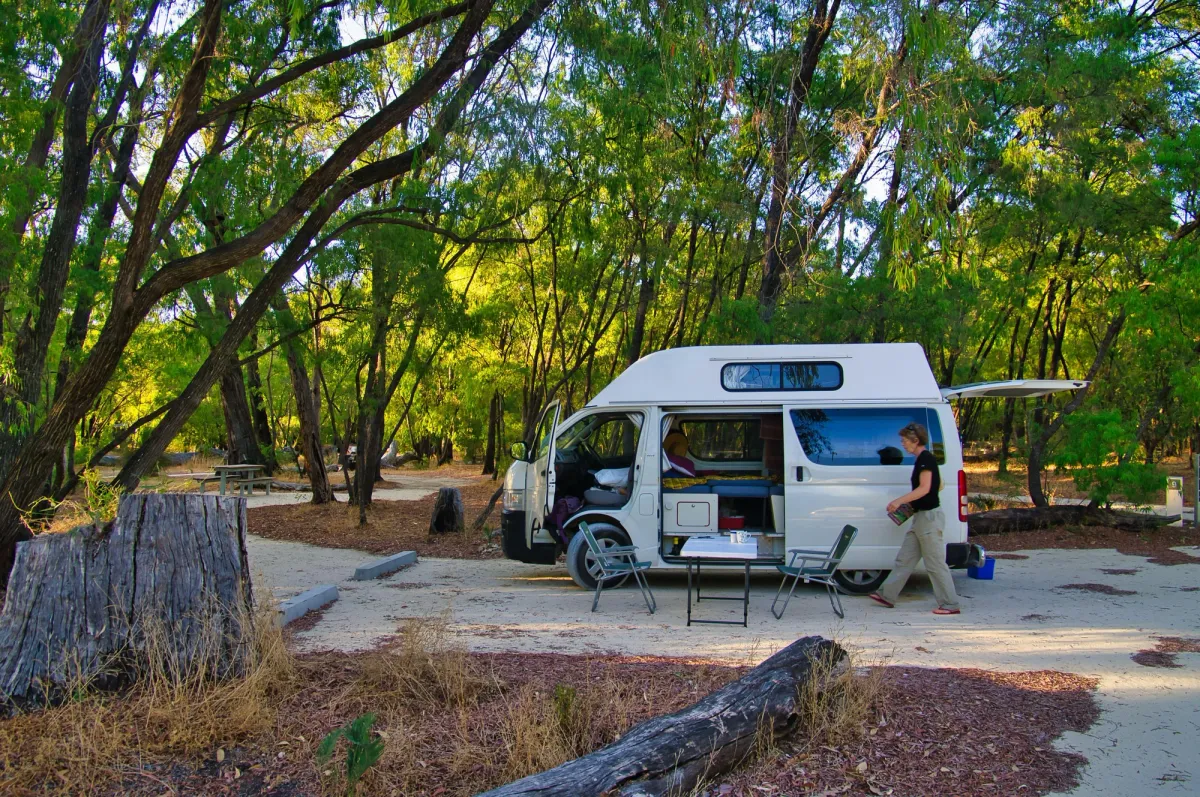
A campervan set up for camping in Australia
Many regional areas provide free or low-cost camping areas for self-contained vehicles. These sites can be a budget-friendly alternative, but facilities and stay limits vary, so it's important to check any posted conditions before parking overnight.
RV-Friendly Towns
Across Australia, a growing number of RV-friendly towns welcome travellers with designated motorhome parking and campervan parking areas. Some offer dump points, water access and short-term overnight parking to encourage visitors to explore local businesses and attractions.
Campervan Parking Rules by State
As mentioned, campervan parking rules Australian travellers need to follow can vary significantly between states and territories. While road rules are broadly similar nationwide, local councils often set their own restrictions around overnight stays, free camping and long-term parking. It's always worth checking local requirements before arriving at a new destination.
- Queensland: The popular east coast is known for stricter enforcement of parking and camping regulations, with many councils prohibiting free camping outside designated areas. Venture further inland, however, and you'll find a wider range of free camps and low-cost camping options in regional communities.
- New South Wales: Similar to Queensland, many coastal towns and urban areas have firm restrictions on sleeping in vehicles. Fortunately, NSW is home to numerous national park campgrounds and holiday parks, although bookings are often essential during peak travel periods.
- Victoria: Popular coastal destinations, particularly along the Great Ocean Road and Mornington Peninsula, typically have tighter overnight parking controls. Inland Victoria generally offers more low-cost camping and free camping opportunities for self-contained RV travellers.
- Tasmania: Tasmania is often considered one of Australia's more campervan-friendly destinations, offering a strong network of campgrounds and free or low-cost camping areas. As always, research local requirements in advance and follow Leave No Trace principles.
- South Australia: South Australia has an excellent mix of council-operated campgrounds, national park camping areas and RV-friendly towns. While restrictions can vary between regions, most travellers will find plenty of legitimate overnight options with a little planning.
- Western Australia: Distances are vast in WA, and many regional areas provide designated rest stops, campgrounds and low-cost overnight facilities for travellers. Popular tourism areas and coastal communities may have more restrictive rules, so it's important to check local signage and council guidance before settling in for the night.
- Northern Territory: The Northern Territory offers some of Australia's most iconic road trip experiences, with a broad network of campgrounds, roadside rest areas and national park camping options. Rules can vary depending on the location, particularly in popular tourist destinations, so always verify local conditions before stopping overnight.
- Australian Capital Territory: Due to its smaller size and urban focus, camping and overnight vehicle stays are generally limited to designated facilities. Travellers should rely on approved campgrounds and caravan parks rather than public parking areas.
No matter where your travels take you, local council websites and state transport authorities remain the best source of up-to-date information. A few minutes of research before arriving can help you avoid fines, find better camping locations and enjoy a smoother journey.
Parking at Home and Long-Term Storage
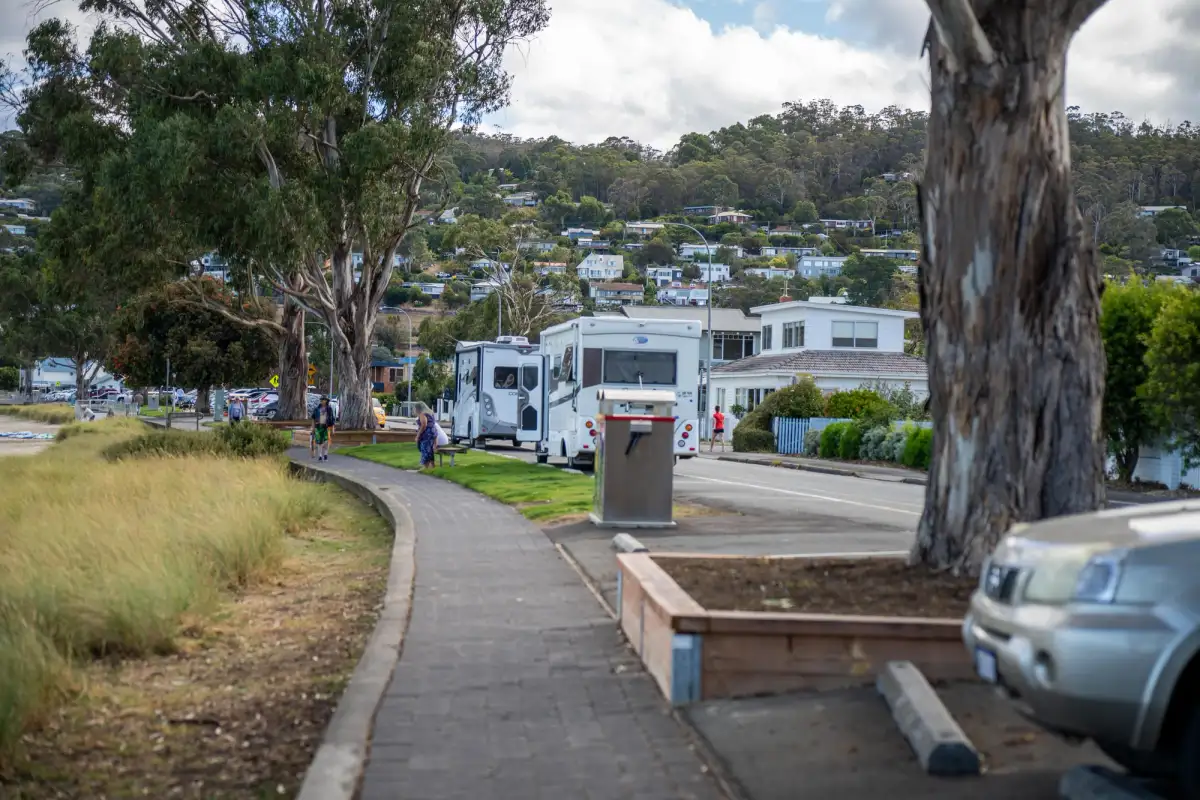
Motorhomes parked on a residential street in Australia
When the trip is over and your RV is back in the driveway, it’s worth understanding the rules around motorhome parking in residential areas. While many councils allow caravans and motorhomes to be parked on private property, restrictions can apply depending on the vehicle’s size, where it’s parked and how long it remains there.
For many owners, an RV is more than just a vehicle. It’s their home away from home, full of memories from their travels. Storing it properly between trips helps keep it ready for the next escape while protecting the investment you’ve made.
Keeping Your RV at Home
Storing your caravan or motorhome at home is often the most convenient option, provided you have enough space and comply with local regulations. Many owners keep their RV on a driveway, behind a side gate or under a purpose-built shelter.
When considering motorhome parking in residential areas, be aware that councils may have rules relating to long-term street parking, vehicle size restrictions, weight limits and parking on verges or nature strips. Some suburbs also restrict how large vehicles can be stored if they obstruct visibility or impact neighbouring properties.
Before leaving your RV parked long-term, check local council requirements and ensure it remains safe. This will help prevent unexpected fines or requests to move your vehicle.
Long-Term Storage Options
For many, home storage simply isn’t practical. In this case, a dedicated RV storage facility may be a worthwhile investment. Options range from open-air compounds to covered and fully enclosed facilities designed for caravans and motorhomes.
Depending on how some are stored at home, secure facilities may provide additional protection from hail, falling branches and prolonged exposure to the elements.
The best option will depend on your budget, available space and how often you travel.
Park With Peace of Mind
Finding the right place to park doesn't need to be complicated. By understanding local parking signs, researching overnight options and checking council requirements, you can confidently explore Australia without worrying about unexpected fines or restrictions.
Whether you're staying in a holiday park, pulling into an RV-friendly town or storing your motorhome between adventures, a little planning goes a long way. Knowing the rules helps protect the places we all love to visit and makes life easier for fellow travellers on the road.
And while you can't predict every bump in the journey, specialist RV insurance can help provide peace of mind when your vehicle is parked or travelling.
Ready for your next adventure? Explore our RV insurance and join a community that loves getting out there and making the most of Australia's incredible backyard.
Cover Built for Life on the Road
Over 30 years protecting Australian motorhome owners. Get your free quote or call us on 1300 261 261.