

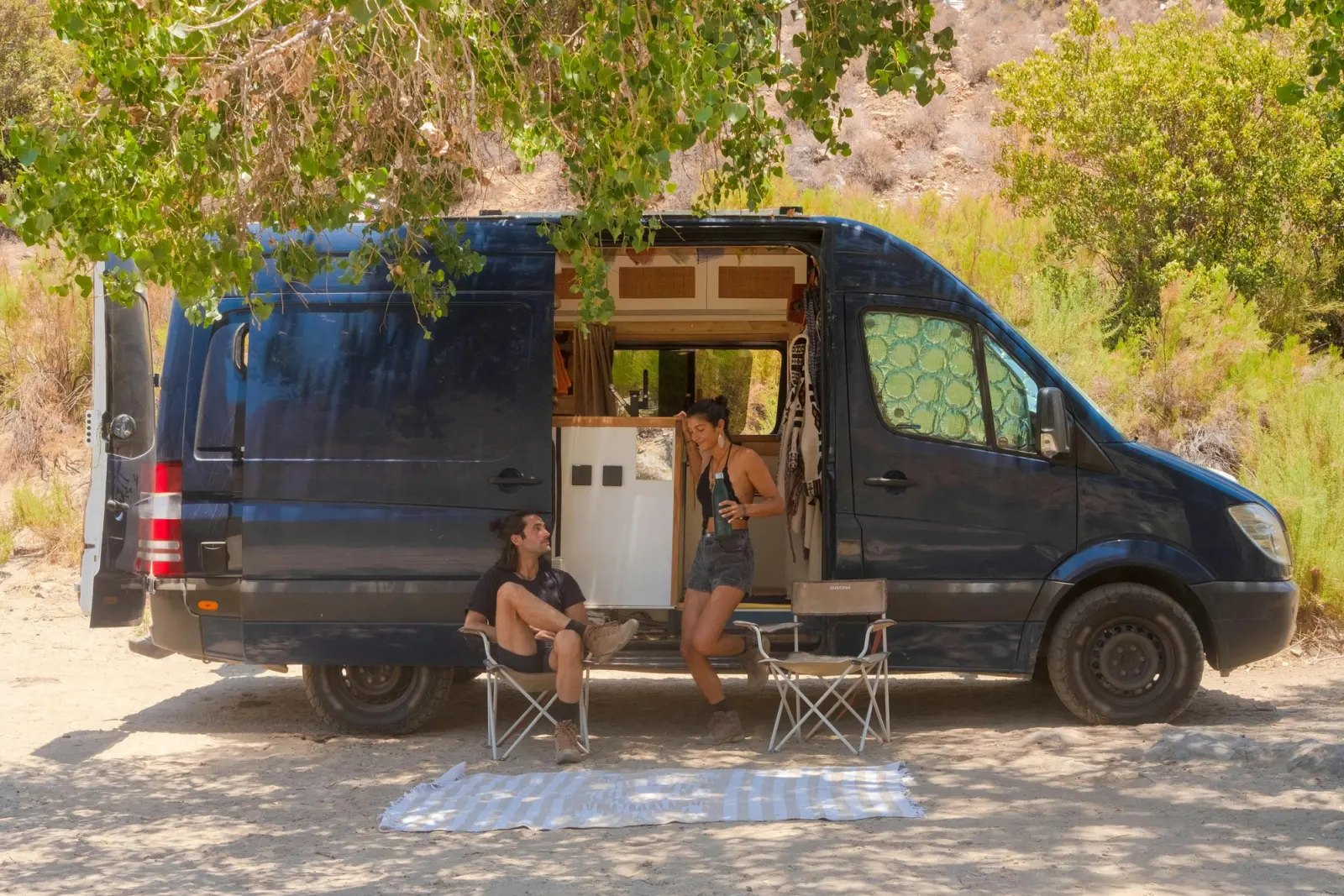
Planning a campervan build is one of the most exciting parts of the RV journey. Every decision from bed placement to kitchen layout shapes how your van feels to live in day after day. And that is the thing about campervan design ideas: they need to work not just in a photo, but on a bumpy highway, at a remote campsite, and after three weeks of actual living.
Whether you are converting a van from scratch or reimagining an existing layout, this guide covers the practical campervan layouts and fit out ideas that genuinely work on the road . rom essential planning questions to ask first, through to interior design touches that make a small space feel like home, and why protecting a custom build with the right insurance matters from day one.
Planning Your Campervan Layout: Questions to Ask First
Before diving into campervan design ideas online, start with the practical questions that will guide every decision. The right layout depends entirely on how you plan to use the van, and who will be using it. Ask yourself: how many people will travel and sleep in the van regularly? Are your trips typically weekends, weeks, or months at a time? What is your non-negotiable? A fixed bed, a full kitchen, a workspace, or maximum storage? Do you need to accommodate a pet, surfboards, bikes, or other bulky gear? Will you spend most of the time at caravan parks or are you heading off-grid?
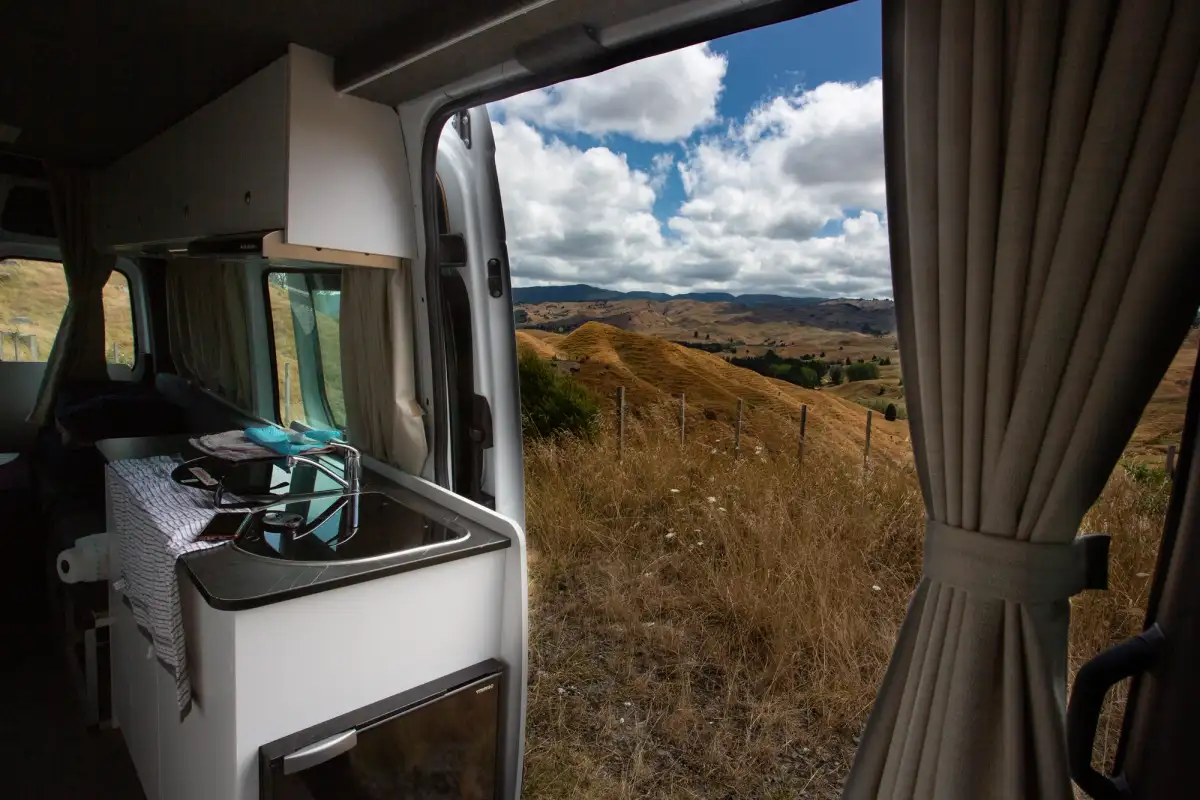
Interior of a campervan
A solo traveller converting a van for weekend adventures has very different needs to a retired couple planning a year-long lap of Australia. The couple will likely prioritise a fixed bed, generous kitchen space, and long-term storage. The solo traveller might trade a permanent bed for a convertible layout that doubles as a daytime living space. Get clear on your use case before choosing a campervan layout. You'll avoid expensive redesigns later.
Campervan Layout and Fit-Out Ideas That Work
Sleeping and Living Zones
The bed is usually the largest single element in any campervan layout. Fixed rear beds are the most popular choice for extended travel. They stay made up and ready, leaving the rest of the van free during the day. Raised rear beds also create valuable under-bed storage for bulky items like camping chairs, toolboxes, and spare gear. For smaller vans where space is tight, convertible bed layouts that fold into a dinette or seating during the day make better use of limited floor space, but require making and unmaking the bed daily. For couples or retirees planning long-term travel, the convenience of a permanent fixed bed is hard to beat.
Kitchen and Storage Solutions
Rear kitchen layouts are a popular campervan fit out idea because they allow the back doors to open up as an extended cooking and living space. Slide-out benchtops add workspace without permanently consuming floor area. For storage, think vertical and magnetic: hanging organisers on doors, magnetic knife strips, under-bench slide-out drawers, and stackable containers that make the most of every centimetre. Under-bed compartments, overhead lockers, and seat bases with lift-up lids are standard solutions that experienced builders swear by. The longer you plan to be on the road, the more deliberate your storage design needs to be, because months of travel means more gear to organise.
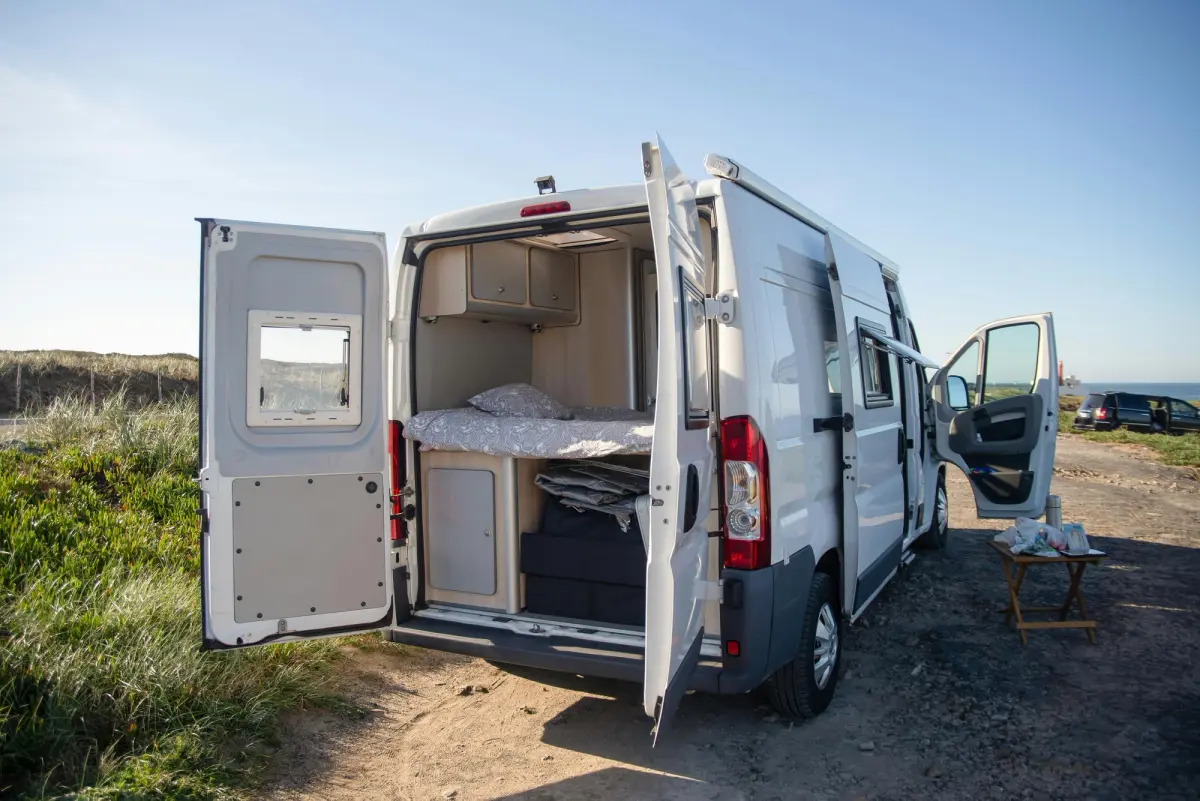
The rear of a motorhome with open doors
Van Interior Design: Colour, Light, and Materials
The interior feel of a campervan comes down to a few key choices. Light-coloured timber cladding — plywood, pine, or bamboo — opens up a small space and gives a warm, natural feel. Darker tones can feel cosy but risk making a compact van feel cramped. LED strip lighting and dimmable warm-white fixtures let you adjust the mood from bright task lighting during cooking to soft ambient glow in the evening.
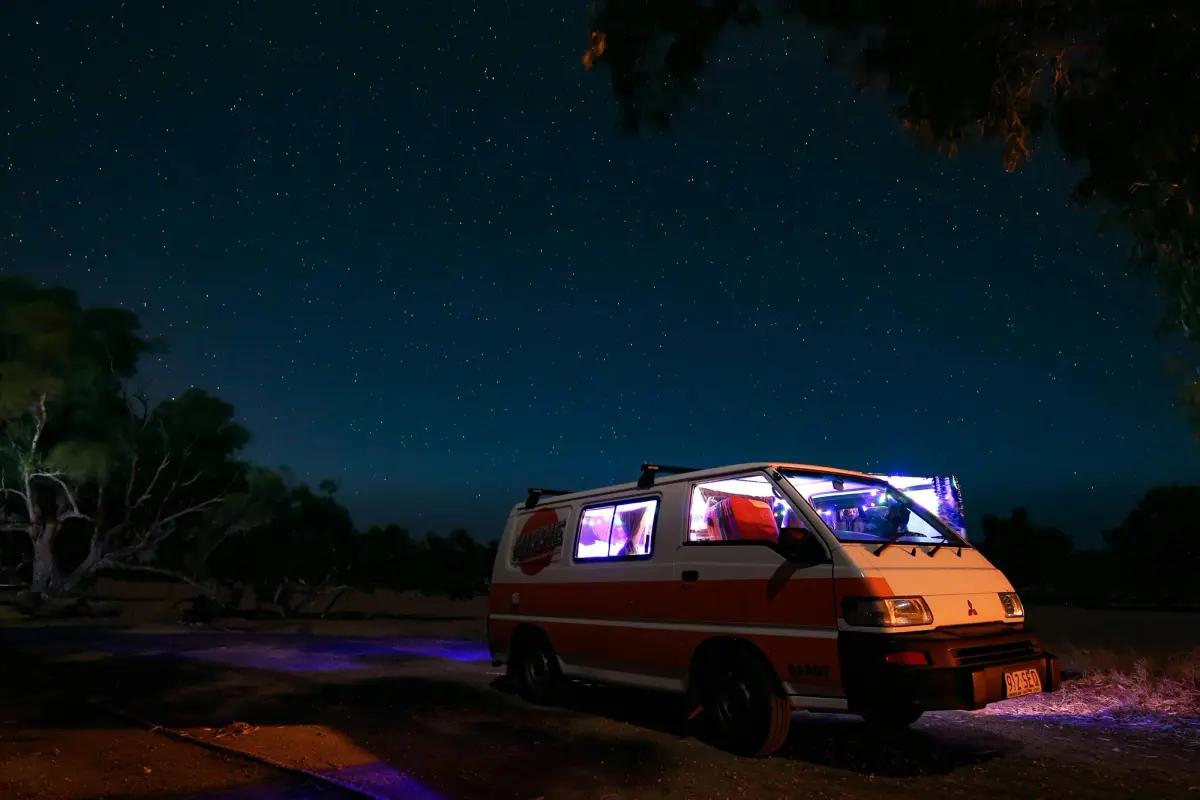
A campervan at night
Material choices matter for durability as much as aesthetics. Marine-grade ply resists moisture. Vinyl flooring handles dirt and spills far better than carpet. Cushion fabrics should be removable and washable. If you're building for long-term travel, choose materials that will look just as good six months in as they do on day one. A good rule: if it looks great in a photo but wouldn't survive a corrugated road or a week on a humid coast, reconsider.
Start Planning, Start Exploring
The best campervan design ideas are the ones that match how you actually travel. Start with your lifestyle, build around your needs, and let the details reflect what makes you comfortable on the road. The RV community is full of builders sharing what works and what they would change, so lean into that shared knowledge and enjoy the build process as much as the travel itself.
Adventure with confidence
Specialist RV insurance that covers your motorhome for life on the open road