

Why Aussies Are Embracing Campervan Conversions
From retirees chasing the dream of the Big Lap to weekend adventurers seeking freedom from fixed itineraries, more and more Aussie travellers are turning ordinary vans into highly personalised homes on wheelswith campervan and caravan registrations at record highs. Campervan conversions offer a flexible and rewarding way to travel, especially in such a vast and scenic landscape such as Australia.
Part of the appeal of a custom conversion is the ability to create a vehicle that suits your lifestyle. Designing a layout that matches your travel style, budget and comfort preferences is a big part of the draw.For grey nomads, this often means creating a practical, efficient space that feels familiar no matter where the road leads.
There’s also a strong community spirit behind the movement. Online groups, local meet-ups and DIY forums make it easier than ever to learn from others and share innovative ideas from experience. If you’re considering converting a van or camper Australia-style, understanding the costs, build process, registration requirements and insurance options is the perfect place to start.
Choosing the Right Van to Convert in Australia
The van you choose will shape everything from your budget and comfort to your long-term travel experience. Australia’s most popular conversion platforms each offer different strengths depending on how you intend to travel.
| Van Model | Payload | Interior Height | Best For |
|---|---|---|---|
| Toyota HiAce | Moderate | Low-Medium | Reliability and easy driving |
| Ford Transit | High | Medium-High | Versatile layouts and touring |
| Mercedes Sprinter | High | High | Long-term travel and comfort |
| Renault Master | High | High | Spacious builds and value |
When converting a van to a camper, travellers often prioritise reliability, parts availability and service networks. Models like the Toyota HiAce and Ford Transit benefit from widespread support across regional Australia, while the Mercedes Sprinter remains a popular choice for premium motorhome conversions Australia-wide thanks to its standing room and generous payload.
Comfort on the road is something that becomes increasingly important the more time you spend on it, so for retirees and long-term travellers it becomes a major consideration. How comfortable it is to drive and sleep in is one thing, but then you must consider time spent in the vehicle during poor weather and how the layout can accommodate extended trips without feeling cramped.
How Much Does a Campervan Conversion Cost?
The cost of campervan conversions can vary significantly depending on the level of finish, features and how much work will be undertaken by yourself. Most Australian builds fall into one of three categories.
Budget vs Premium Build Breakdown
| Build Level | Initiative Cost (AUD) | Typical Inclusions |
|---|---|---|
| Basic DIY | $5,000-$15,000 | Bed platform, storage, simple electronics |
| Mid-Range Build | $15,000-$40,000 | Solar, cabinetry, fridge, plumbing |
| High-End Conversion | $40,000-$100,000+ | Lithium batteries, premium fit-out, hot water, custom cabinetry |
The biggest cost drivers are often electrical systems, solar panels, lithium battery setups, plumbing infrastructure and cabinetry materials. Anyone researching converting a van to camper project should also account for the purchase price of the van itself. Whether or not it is second-hand could mean it rivals the build cost itself.
Where Aussies Can Save or Splurge
A successful build has many opportunities to save money. Buying second-hand fittings, appliances and furniture through RV forums, community groups and Facebook Marketplace is popular and easily accessible. Reclaimed timber and quality used accessories can also help keep costs under control.
Where you should never cut corners is safety. Electrical installations, gas systems and structural anchor points should be completed to a high standard and, where required, by qualified professionals. DIY enthusiasts will be able to complete much of the work themselves, but investing in safe wiring and correctly installed gas systems provides genuine peace of mind when travelling.
Don’t forget to budget for tools, engineering inspections, registration and specialist insurance considerations, which can add meaningful costs to the overall build.
What's Involved in Converting a Van to a Camper?
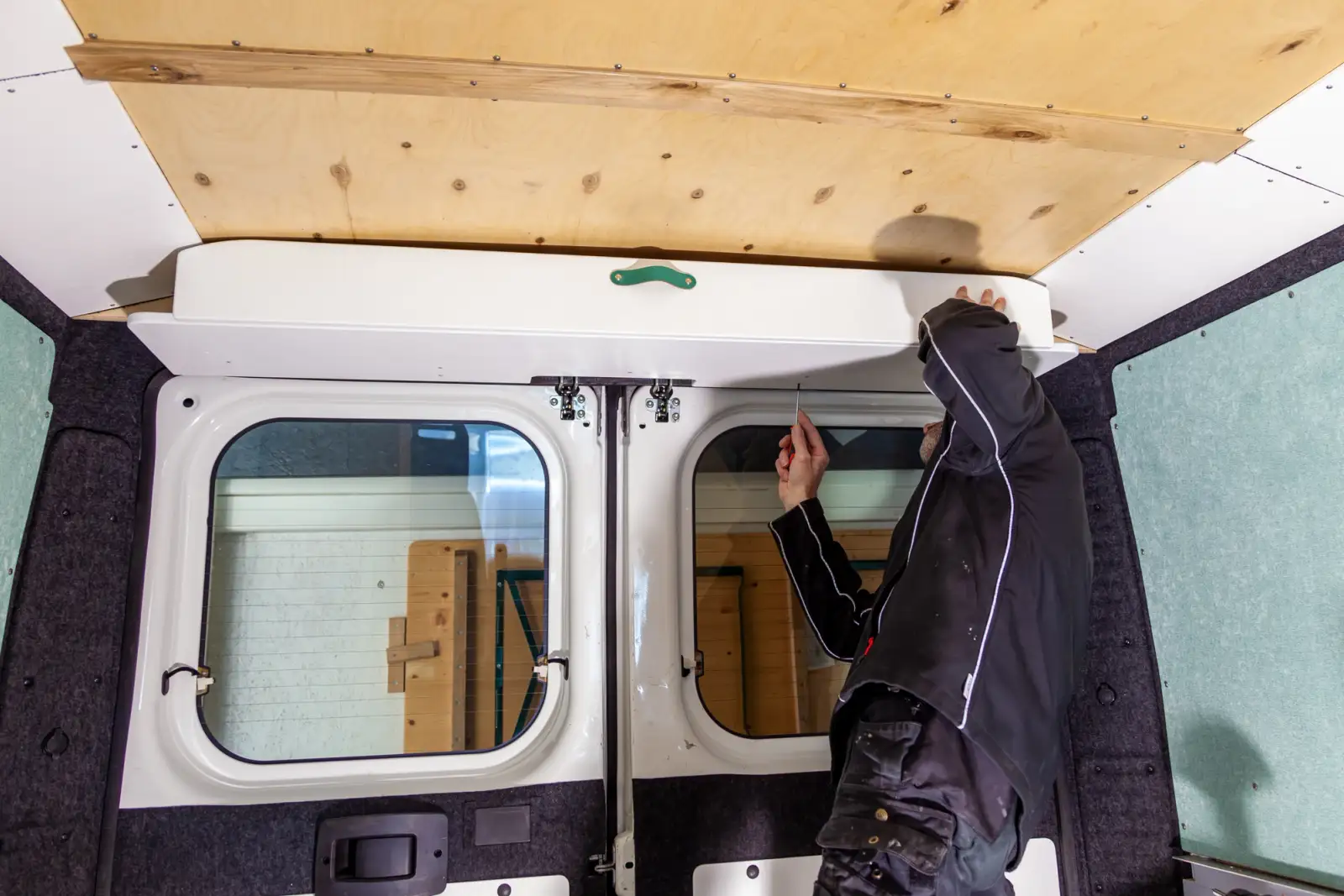
If you’re wondering how to convert a van, think of the process as a series of manageable stages rather than a single project. Most successful builds begin with careful planning before progressing through insulation, electrics and interior fit-out.
If you're investing significant time and money into your conversion, it's also worth considering how you'll protect the finished build. KT Insurance offers specialist cover options for many campervans and RVs, including some custom conversions.
Planning and Layout Design
Before buying materials, spend time measuring the interior and sketching a floor plan. Prioritise the essentials first: sleeping, cooking and storage.
It’s also important to consider more practical factors that won’t be visible (until it’s too late). Things like weight distribution, payload limits and access to key areas are essential to plan before committing to a build. A layout that works on paper may be less effective once water tanks, batteries and appliances are added.
Many builders will focus on creating flexible, multi-purpose spaces that maximise the limited interior room.
Build Stages: Insulation, Electrics and Fit-Out
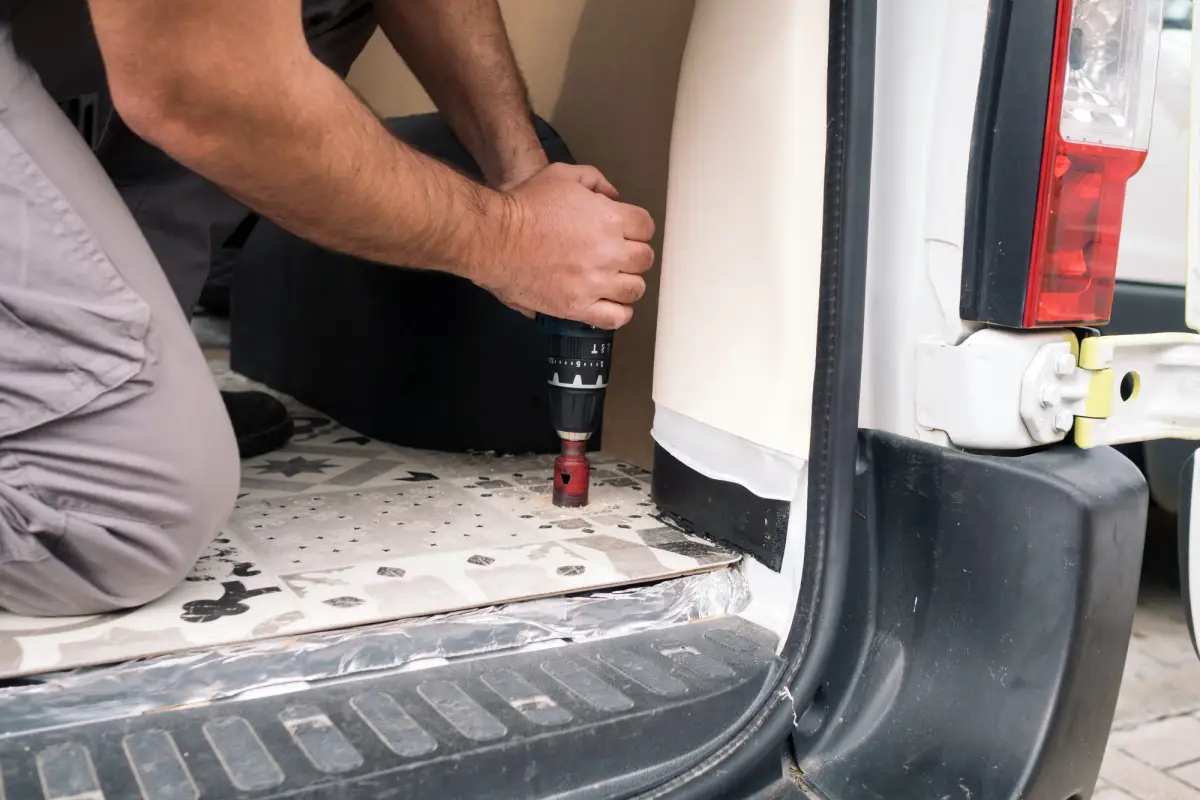
Most motorhome conversions in Australia follow a similar sequence:
- Insulation and soundproofing
- Flooring installation
- Wall and ceiling panelling
- Electrical rough-in and wiring
- Plumbing installation
- Cabinetry and furniture fit-out
- Final finishing and testing
Insulation, flooring and cabinetry are often DIY-friendly tasks. Electrical work involving 240V systems and gas installations typically requires a licensed tradesperson to comply with Australian requirements.
Whether you're undertaking a simple weekend build or a full-scale conversion project, taking each stage one step at a time usually produces the best results.
Licensing, Registration and Roadworthy Requirements
When a van is significantly modified into a camper or motorhome, registration requirements may change depending on your state or territory. Requirements can vary, so it's important to check directly with your local transport authority before commencing major modifications.
For many conversion projects, authorities may require engineering assessments, updated vehicle classifications, weight compliance checks or additional inspections before registration changes are approved.
Roadworthy standards remain important throughout the process, particularly if modifications affect seating, structural components or vehicle weight.
While compliance paperwork can feel daunting, ensuring your conversion meets all applicable requirements provides valuable confidence every time you hit the road.
Protecting Your New Home on Wheels
A campervan conversion is often much more than just a vehicle project. It becomes a home away from home, filled with memories, upgrades and equipment tailored to your lifestyle.
Because every build is unique, many Australian RV owners choose specialist insurance designed for campervans and motorhomes. While insurance is not compulsory beyond
registration requirements, it can help protect your investment against unforeseen events and provide confidence while travelling.
When researching cover, consider not only the base vehicle but also the value of modifications, fitted accessories and custom features you've added throughout the build.
Whether you're planning occasional weekends away or a full-time touring lifestyle, having appropriate protection in place means you can focus on enjoying the adventure ahead.
Cover Built for Life on the Road
Over 30 years protecting Australian motorhome owners. Get your free quote or call us on 1300 261 261.