

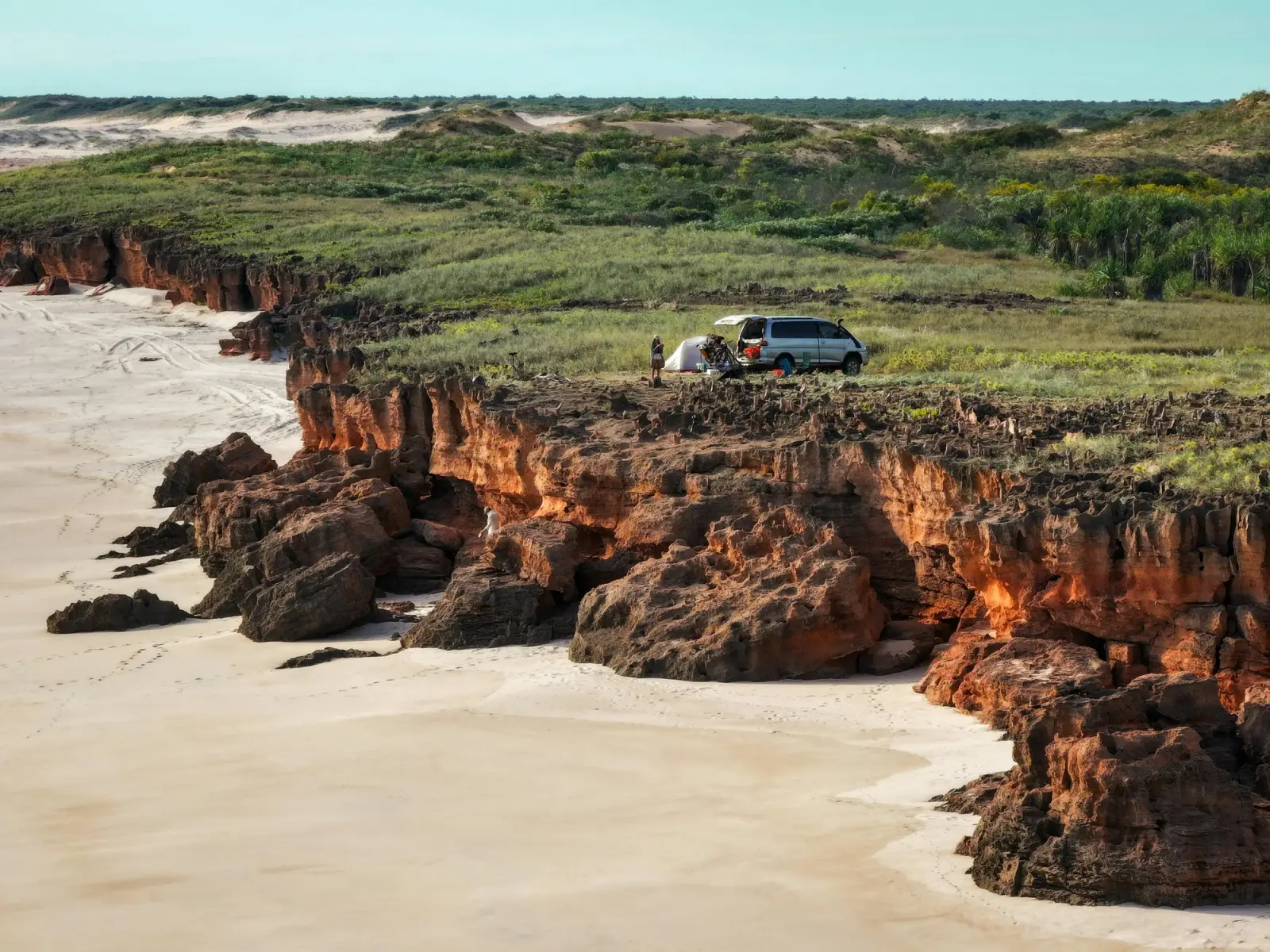
There's something magnetic about the idea of driving around Australia. From the rugged Kimberley coast to the golden deserts of the Outback, Tasmania's wilderness to the Great Barrier Reef, and the vineyards of South Australia to the pristine beaches of Western Australia, Australia's vastness offers experiences few places on earth can match. This is the Big Lap: the ultimate Australian road trip. It's the dream that countless grey nomads, retirees, and adventure seekers have brought to life.
But the Big Lap isn't something you just jump into without thought. It requires careful planning, honest budgeting, realistic preparation, and the right mindset. In this guide to planning an RV road trip, we'll walk you through everything you need to know, from route options to vehicle prep to insurance considerations. Whether you're considering a three-month whirlwind or a multi-year adventure, this guide will help you think through the details.
What Exactly Is the Big Lap?
The Big Lap, also called the 'Grey Nomad Loop' or simply 'driving around Australia,' refers to an extended journey travelling around the entire perimeter of Australia (and sometimes inland to iconic destinations). It's typically done in a caravan, motorhome, camper van, or converted bus—essentially, any vehicle that allows you to sleep and live on the road. The journey covers thousands of kilometres and showcases Australia's incredible diversity.
The journey is as much about lifestyle and freedom as it is about the destinations. For some, it's a retirement adventure lasting years. For others, it's a sabbatical lasting months. It's about slow travel, freedom camping under stars, meeting fellow travellers, experiencing genuine Australian hospitality, and truly taking in Australia's diverse regions, cultures, and communities. The Big Lap isn't really about the destination, but the freedom of the open road and the connections you make along the way.
Planning an RV Road Trip: Choosing Your Route
The Big Lap doesn't have a fixed route. Millions of road kilometres are possible, and the journey you design depends on your starting point, how much time you have, your interests, and your vehicle's capabilities. However, there are some common approaches that experienced travellers recommend.
Clockwise or Anticlockwise?
Most travellers either head clockwise or anticlockwise around Australia. Anti-clockwise (starting from the east coast and heading north, then west and south) is more popular because it takes advantage of Australia's weather patterns. You can reach the Top End during the dry season and avoid the worst of southern winters. Clockwise works too; you'll simply experience seasons in reverse. Both approaches offer unique advantages and disadvantages.
There's no right or wrong choice. Many experienced travellers suggest planning your route around seasonal considerations. Arriving at tropical destinations during dry season (May to October), temperate regions during spring and autumn, and more southern areas during warmer months means comfortable camping, better experiences, and less risk of being caught in dangerous weather.
Coastal Routes vs Inland Adventures
You could hug Australia's coastline for the entire journey, visiting beaches, seaside towns, and marine attractions. Alternatively, inland routes take you through remote deserts, national parks, Aboriginal lands, and small historic towns. Most Big Lap travellers do a combination by following the coast for stretches, then venturing inland to explore hidden gems. The mix keeps things interesting and varied.
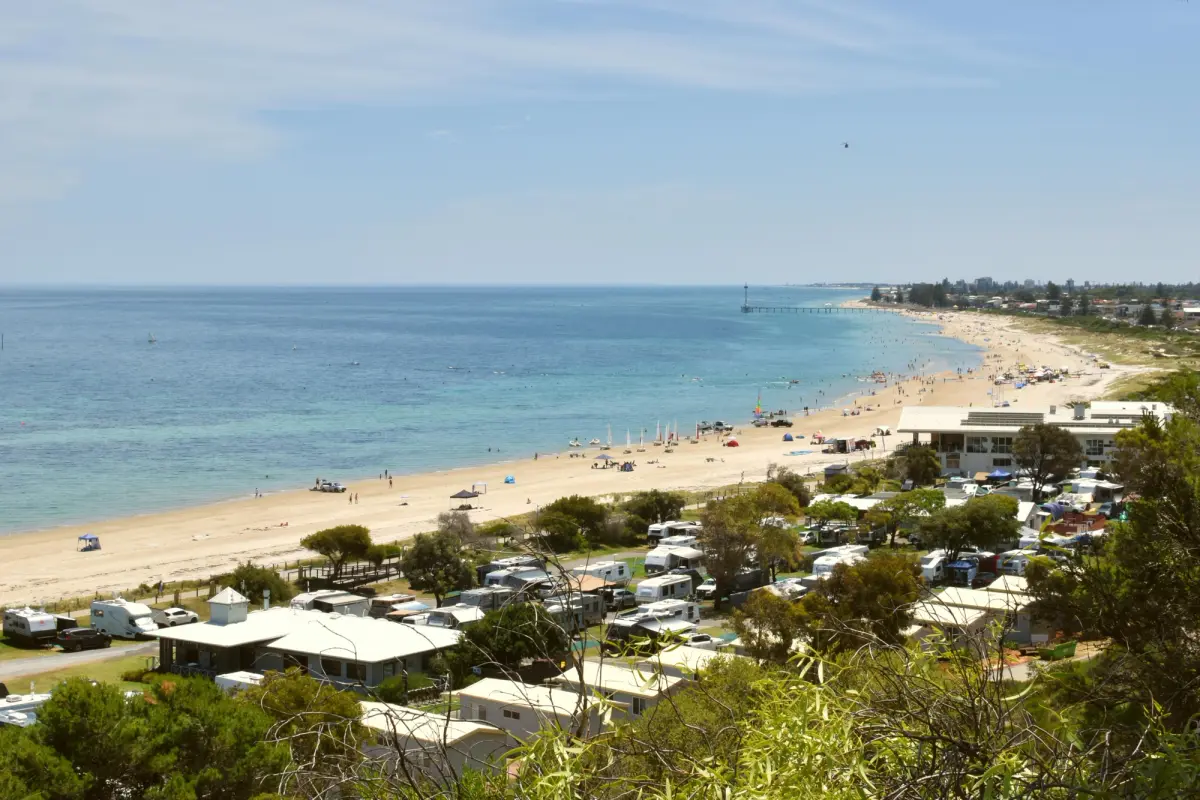
Buildings and RVs near Beach, Adelaide, SA
The coastal route is more populated, with better facilities and shorter distances between towns. This makes it safer and more suitable for first-time travellers or those with less experience in remote travel. Inland routes offer greater remoteness, stunning natural beauty, and fewer tourist crowds, but they require more self-sufficiency, more planning, and often longer stretches between services and fuel stops. Many travellers do both in a single lap, starting coastal for familiarity, then attempting more remote inland routes as confidence grows.
How Long Does the Big Lap Take?
The Big Lap's duration varies wildly depending on how you travel. Some people complete it in three months by driving long hours each day with brief stops. Others take two, three, or more years, stopping frequently to explore, work part-time, or simply stay in places they love. There's no standard timeline—it's completely personal.
The fast lap:
- 12-14 weeks
- 6-8 driving hours per day
- Minimal detours
- Major attractions/sights
The moderate pace:
- 12-18 months
- 2-3 weeks in each region
- Popular with retirees
- Explore inland attractions and coastal towns
The slow, immersive lap:
- 2-3 years
- Spending months in favourite regions
- Working seasonally or doing volunteer work
- Taking side trips inland or to remote areas
- No finish line
Most first-time Big Lap travellers find that they move faster than expected initially, then slower as they discover how much there is to see and experience. Planning for flexibility in your timeline is wise. Allow room for unexpected stops, longer stays in places you love, and the reality that the journey is more important than the destination.
Budgeting for the Big Lap
Costs vary enormously depending on your vehicle, travel pace, and lifestyle. Fuel, accommodation (even when free camping), food, vehicle maintenance, and insurance all factor in. It's important to be realistic about costs rather than overly optimistic.
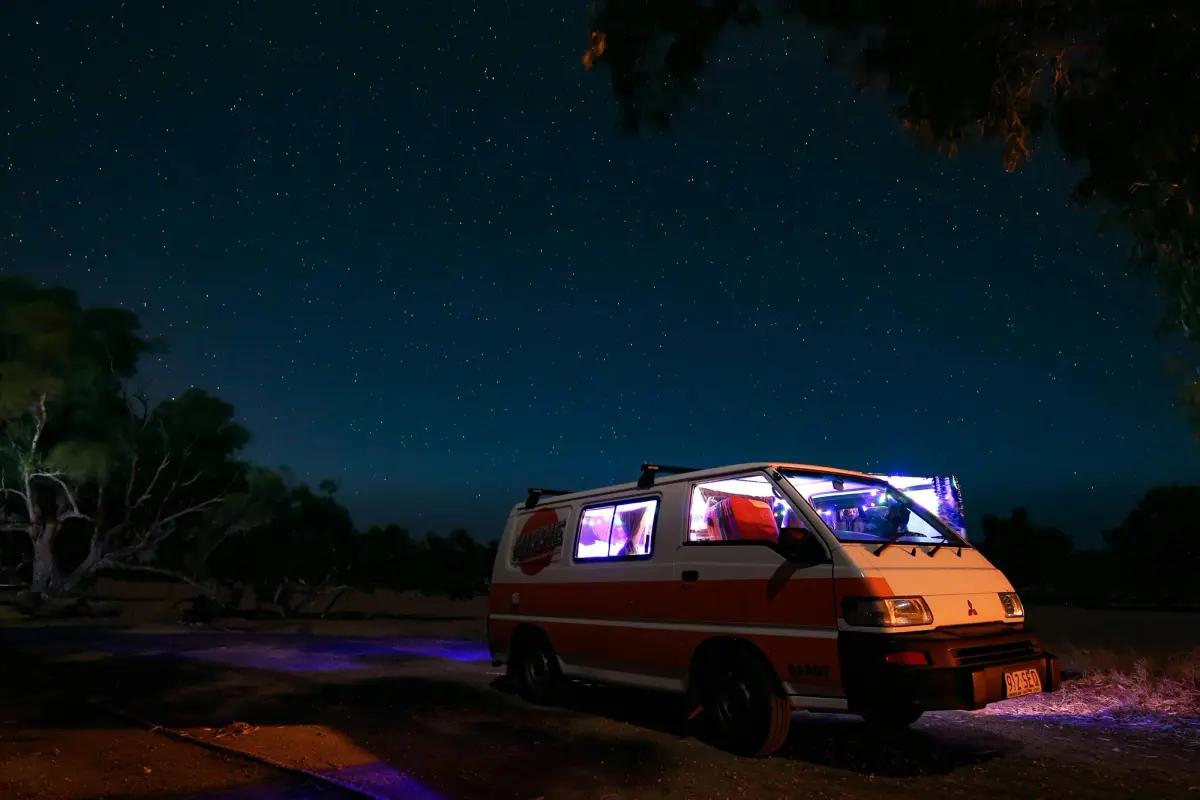
White and Orange Mitsubishi Van, WA
Vehicle investment and maintenance: A quality used motorhome or caravan might cost $30,000 to $100,000+. Budget for regular servicing, repairs, tyres, and unexpected mechanical issues. A realistic estimate is $1,500-$3,000+ per month for fuel and maintenance depending on fuel consumption and your rig's age. Don't underestimate vehicle costs—they're often higher than expected once you account for regular wear and tear over extended travel.
Living costs (food, camping, etc.): If you free camp and cook your own meals, living costs might be $500-$800 per week. If you prefer powered caravan parks and eating out regularly, add another $500+ per week. Budget $2,000-$5,000+ monthly for living expenses depending on your lifestyle choices and travel pace.
Insurance and registration: Caravan or motorhome insurance typically costs $800-$2,500+ annually depending on your vehicle's value and coverage. Vehicle registration, renewal of licenses, and roadside assistance are additional ongoing costs. Don't forget the value of good insurance—it's protection for your biggest investment.
A realistic monthly budget for the Big Lap ranges from $3,500-$8,000+ depending on your choices. For a 12-month lap, budget at least $42,000-$96,000 as a starting point, not including the initial vehicle purchase. Many travellers fund the journey through superannuation, savings, part-time work, or by selling property. Being honest about costs and building in contingency buffer is important for success.
When's the Best Time to Start?
Australia's seasonal weather varies dramatically by region. The 'best' time depends on where you plan to spend the most time and when you want to enjoy optimal conditions.
The dry season (May-October): This is peak season in the tropics. The Top End (Kimberley, Northern Territory) is at its best—warm, sunny, with low humidity and minimal rain. This is when most Big Lap travellers aim to be in tropical areas. Many begin their journey in March-April to reach the tropical north by May and avoid the wet season entirely.
Southern summer (December-February): This is peak season for Tasmania and temperate southern regions. However, the tropical north is in wet season—hot, humid, and cyclone-prone. If you prefer southern travel, starting in October and heading south works well.
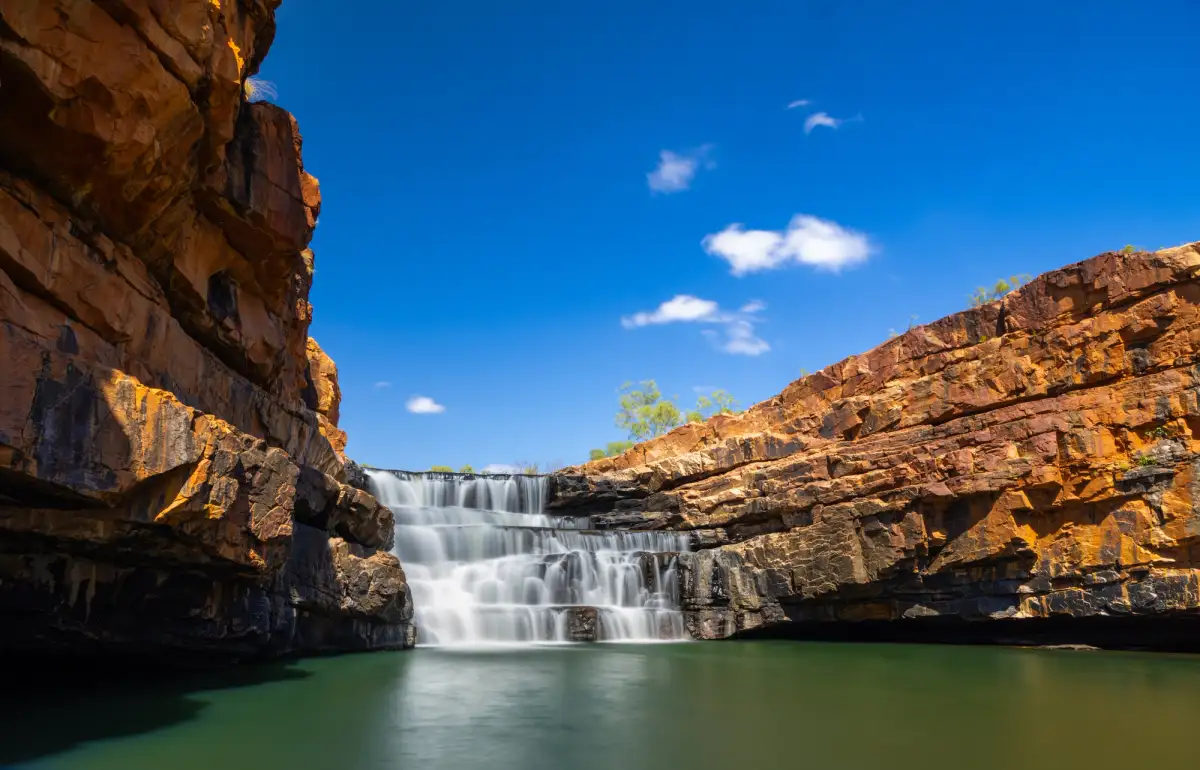
Northern Australia wet season
Shoulder seasons (March-April, September-November): Autumn and spring offer mild temperatures and fewer crowds. If you're starting, March-April or September-November can be excellent windows, though the tropical north may be less comfortable during these months.
The classic strategy: Start in late March/early April, head north to complete the tropical leg by October, then travel south and around, finishing the southern lap by late summer (January-February). This aligns with Australia's seasonal best and takes advantage of optimal weather throughout your journey.
Iconic Stops Worth Planning Around
Australia offers endless attractions, and it's impossible to see everything in one trip. However, certain destinations are so iconic that most Big Lap travellers make an effort to visit them. Each requires different seasonal timing and different amounts of time to properly explore.
The Great Barrier Reef near Cairns deserves at least a week; Uluru in the Red Centre is transformative; the Kimberley region's stunning coastline and gorges require multiple weeks to explore properly; Tasmania's wilderness and pristine coastlines are worth a full month; the Twelve Apostles on Victoria's Great Ocean Road is a spiritual experience; and the South Australian wine regions offer relaxation and culture. Rather than listing everything and rushing through, we'd recommend researching regions that genuinely interest you and building your route around those, rather than trying to tick all boxes. The beauty of the Big Lap is the freedom to linger where you love and skip what doesn't call to you.
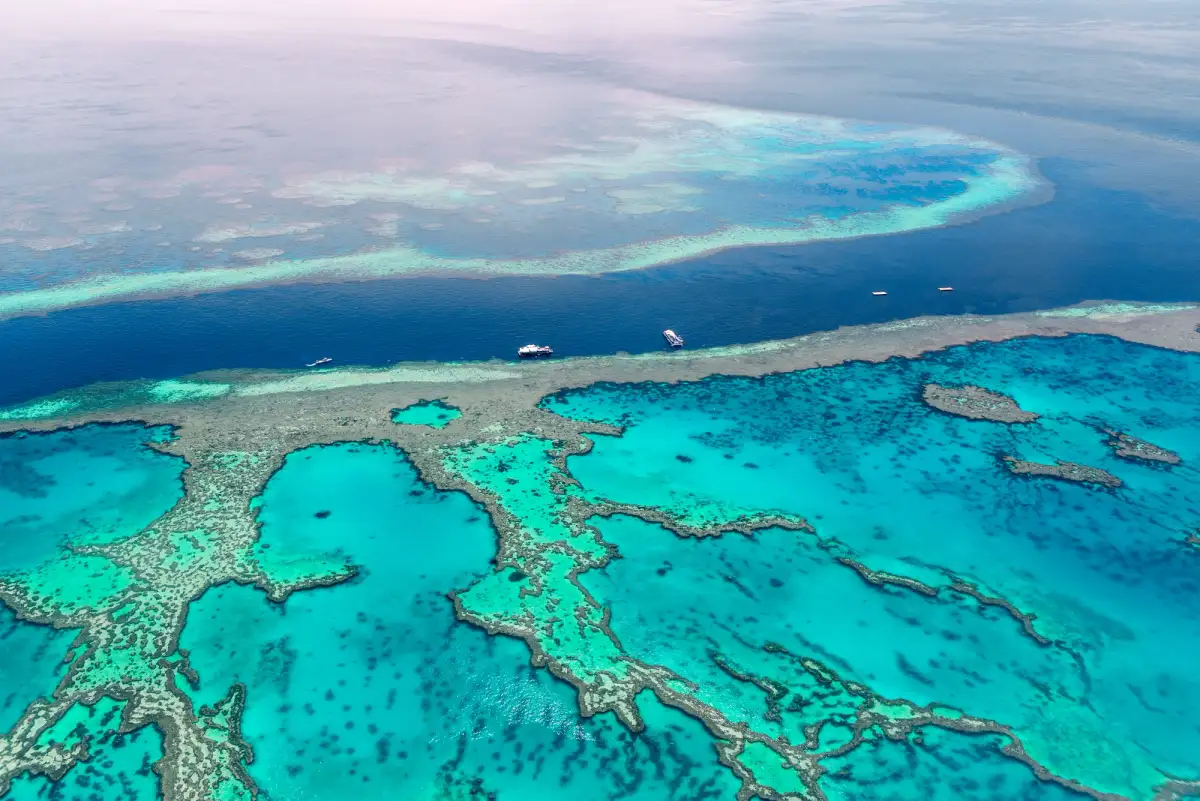
Great Barrier Reef, Australia
Preparing Your Vehicle
Before embarking on thousands of kilometres, your vehicle needs to be in solid condition. Regular servicing, tyre checks, and addressing any mechanical issues are essential. If your motorhome or caravan has been sitting idle, consider getting a pre-trip inspection from a mechanic familiar with your vehicle type.
Essential checks include: Full service (oil, fluids, filters), tyre condition and spare, battery condition, brake system integrity, hoses and belts, water and electrical systems (for caravans), gas systems, and any awnings or annexes. Don't skimp on preventative maintenance—it's far cheaper to service your vehicle before problems develop than to face breakdowns in remote areas far from help.
Carry essential spares: Belts, hoses, spare tyres (for your vehicle and caravan), fan belt, coolant, transmission fluid, and common fuses should be on board. A good tool kit and basic spare parts can save you in remote areas where the nearest service station is 200 kilometres away. Many experienced travellers also carry spare water pumps and other commonly-failing components.
Your vehicle is your home and transport combined. Proper preparation isn't optional—it's crucial to your safety, enjoyment, and peace of mind on the road.
Safety on the Big Lap
Wildlife awareness: Understand the risks: snakes, spiders, saltwater crocodiles in tropical waterways, rip currents at beaches, and dangerous fauna in remote areas. Educate yourself on wildlife safety before travelling to unfamiliar regions. Most encounters are avoidable through sensible precautions and awareness.
Remote travel preparedness: Carry first aid supplies, water and extra fuel, spare food, and tools, plus a satellite communicator or personal locator beacon if you're heading into very remote areas. Apps like WikiCamps and Camps Australia Wide can also help you locate safe overnight stops. Tell someone where you're going and when you expect to check in. Mobile coverage is patchy in remote Australia, so don't rely on it entirely.

open road, Australia
Road safety: Australian roads vary dramatically. Some are excellent highways; others are unsealed, rough tracks. Drive at speeds appropriate for conditions, especially at dawn and dusk when wildlife is active. Fatigue is a killer on long drives, so take regular breaks and swap driving if possible.
Seasonal weather preparedness: Stock emergency supplies for your intended season and region. Tropical storms, heat waves in the outback, and cold snaps in the south all pose risks if you're unprepared.
Begin Your Adventure
The Big Lap is achievable for anyone willing to plan thoughtfully and prepare properly. It doesn't require perfect timing, unlimited funds, or a fancy vehicle. It requires commitment, flexibility, curiosity, and a willingness to embrace the unexpected. Thousands of Australians have done it—from retirees exploring in their seventies to young families homeschooling on the road to adventurers of all ages pursuing freedom and discovery.
The road is waiting. Your adventure is out there. Ready to start planning an RV road trip? Get your vehicle in order, secure proper insurance coverage, and commit to the adventure. Australia's open road has welcomed countless grey nomads before you and will welcome you too. Your Big Lap awaits.
Hitting the road?
Safeguard your lifestyle