

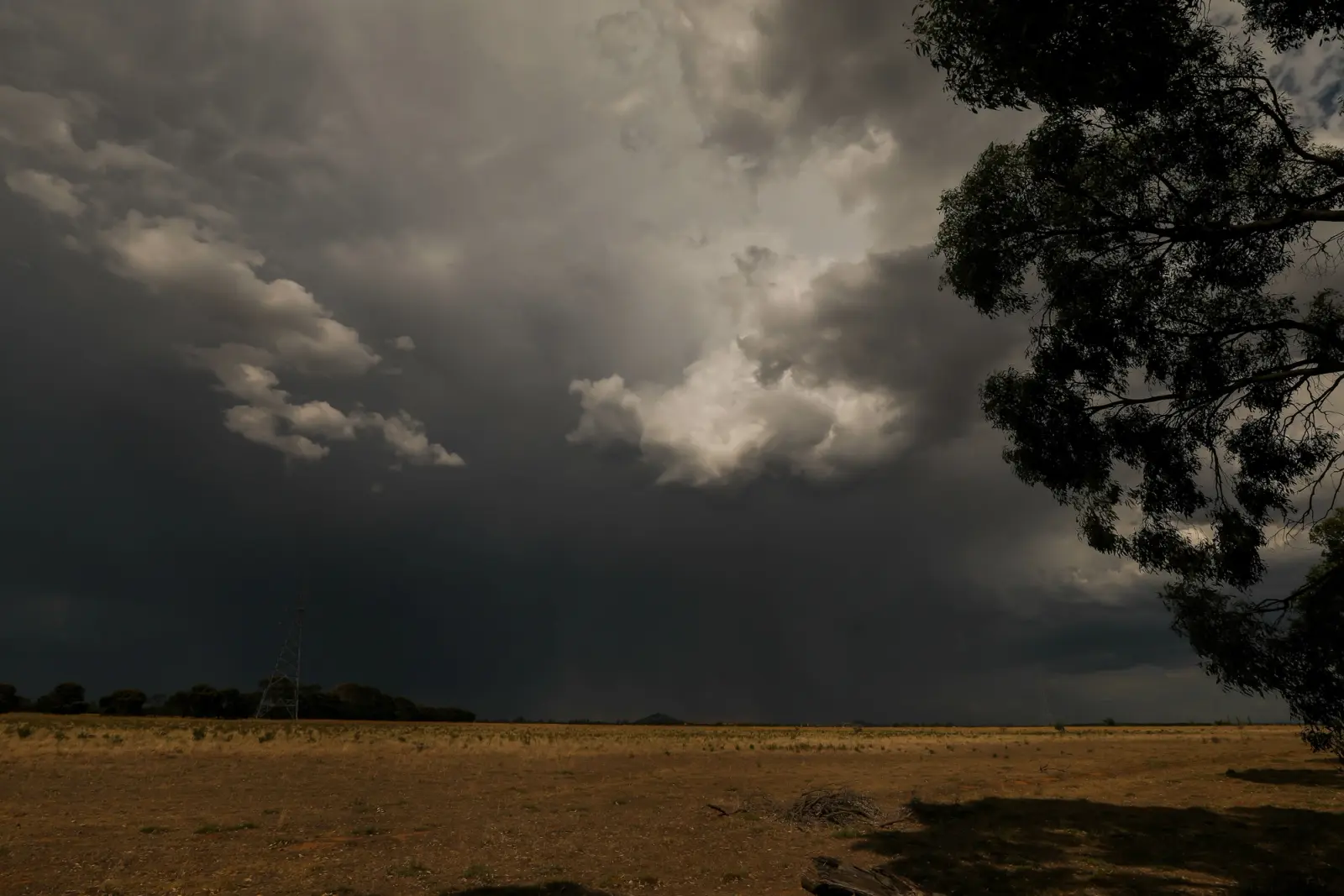
When severe weather is on the way, your safety always comes first. Australian summers can bring everything from heatwaves and bushfires to tropical cyclones, storms and flooding. If you’re travelling in your RV, it’s essential to be prepared and know what to do to protect yourself, your passengers, and your vehicle.
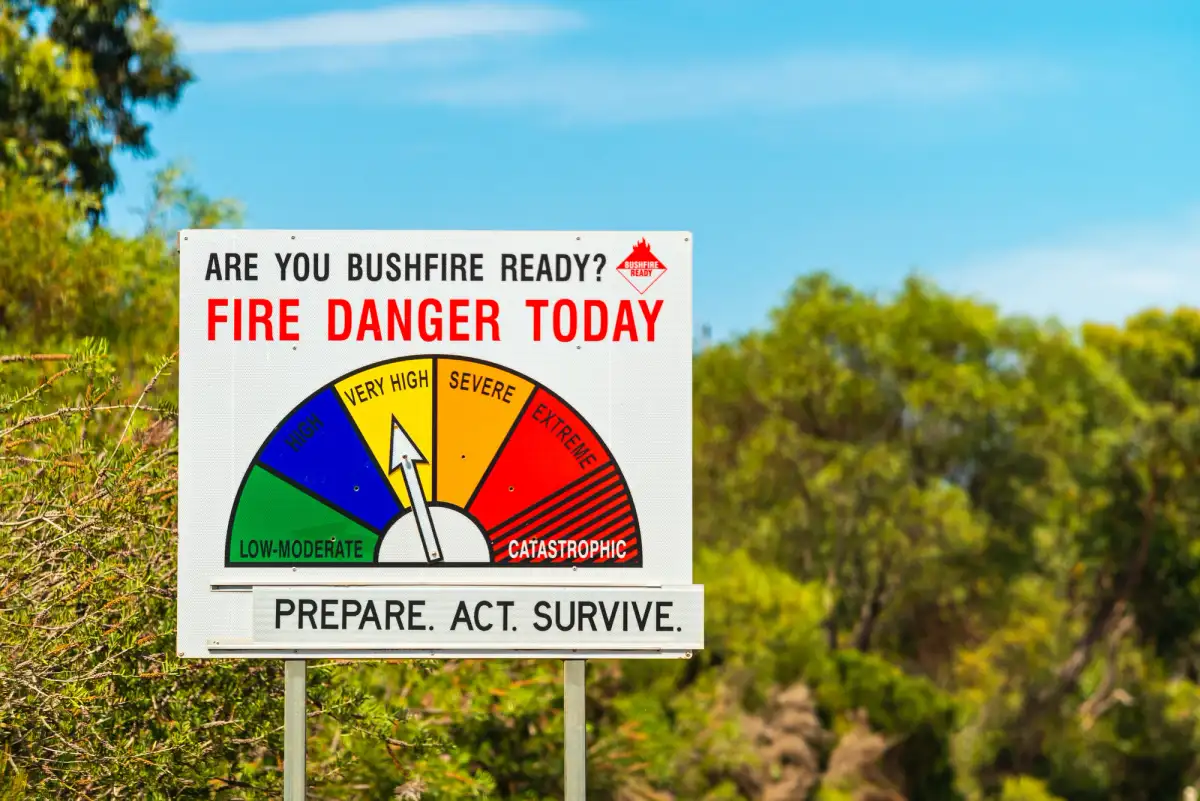
a bushfire warning sign with multiple indicators of bushfire threat
If You’re on the Road
If you’re travelling and become aware of an approaching weather event, the best course of action – if safe to do so – is to move out of the warning area and into a safer location.
Stay informed – Keep an eye on weather alerts and emergency warnings from trusted sources such as the Bureau of Meteorology and state emergency services.
Plan your route – Where possible, head inland during cyclone threats, avoid flood-prone areas, and steer clear of regions under bushfire watch.
Avoid risky stops – Don’t park under trees, near rivers, creeks or low-lying areas. Open plains can also be dangerous in strong winds.
Refuel and restock – Ensure you have fuel, water, food, first-aid supplies, and medications in case conditions worsen or roads close.
Heat awareness – In extreme heat, avoid driving during the hottest part of the day, stay hydrated and ensure pets are kept cool. Never leave anyone in the RV without ventilation or cooling.
Bushfire safety – Do not travel into bushfire risk zones. Know local fire danger ratings, have multiple escape routes planned, and avoid areas with smoke, embers or official alerts.
If you cannot safely leave in time, try to find shelter in a secure location and avoid remaining in your RV during extreme weather.
If You’re in a Storm’s Path
If relocation isn’t possible, take these steps to secure your RV:
Find shelter – If available, store your RV in a covered or sheltered area such as a garage or shed.
Anchor and stabilise – Use stabilisers, wheel chocks and tie-downs to reduce movement in high winds.
Secure the RV – Close and seal all windows, vents and doors to reduce water and wind damage.
Clear loose items – Pack away awnings, outdoor furniture, shade structures and anything that could become airborne.
Prepare inside the RV – Secure cupboards and belongings to minimise internal damage during strong winds or shaking.
Above all, people come first. Never put yourself at risk to save a vehicle. Follow local emergency advice and evacuate if instructed.
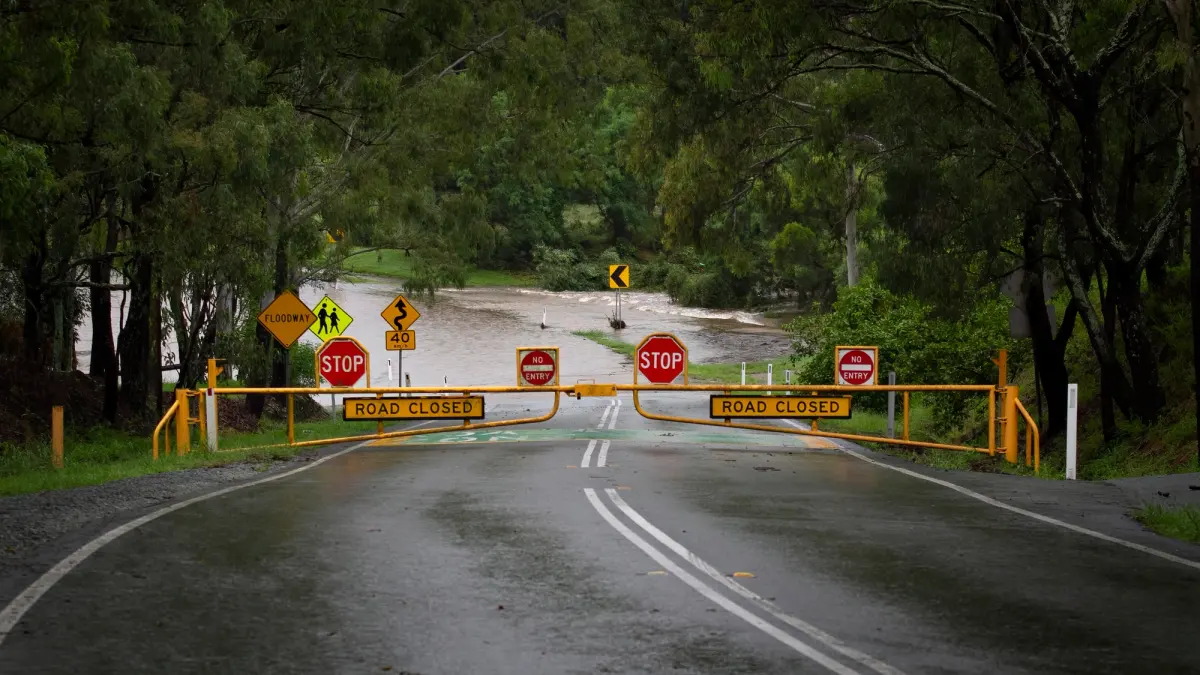
A flooded road with warning signs
After the Weather Passes
If your RV sustains damage, you can lodge a claim online at any time. Please be patient, as significant weather events often impact many people. Claims will be assessed and triaged accordingly to ensure the most urgent cases are handled first.
Preparation is key when it comes to extreme weather and knowing what to do can make all the difference. Stay safe out there!
Related Articles:
- Preparing your RV for Northern Australia’s Wet Season
- 4 Safety Tips for Your Next Road Trip
- KT Insurance Claims
Hitting the road this summer?
Safeguard your lifestyle